In the framework of Tashkent Design Week, a panel discussion was held regarding the inclusion of ten Tashkent modernist structures in the UNESCO World Heritage list. The event featured Kseniya Bisti, an architect from the Italian studio GRACE, and Saidaziz Eshonkhodjaev, Deputy Chairman of the Art and Culture Development Foundation of Uzbekistan, with design and cultural strategy expert Cyril Zammit moderating the session.
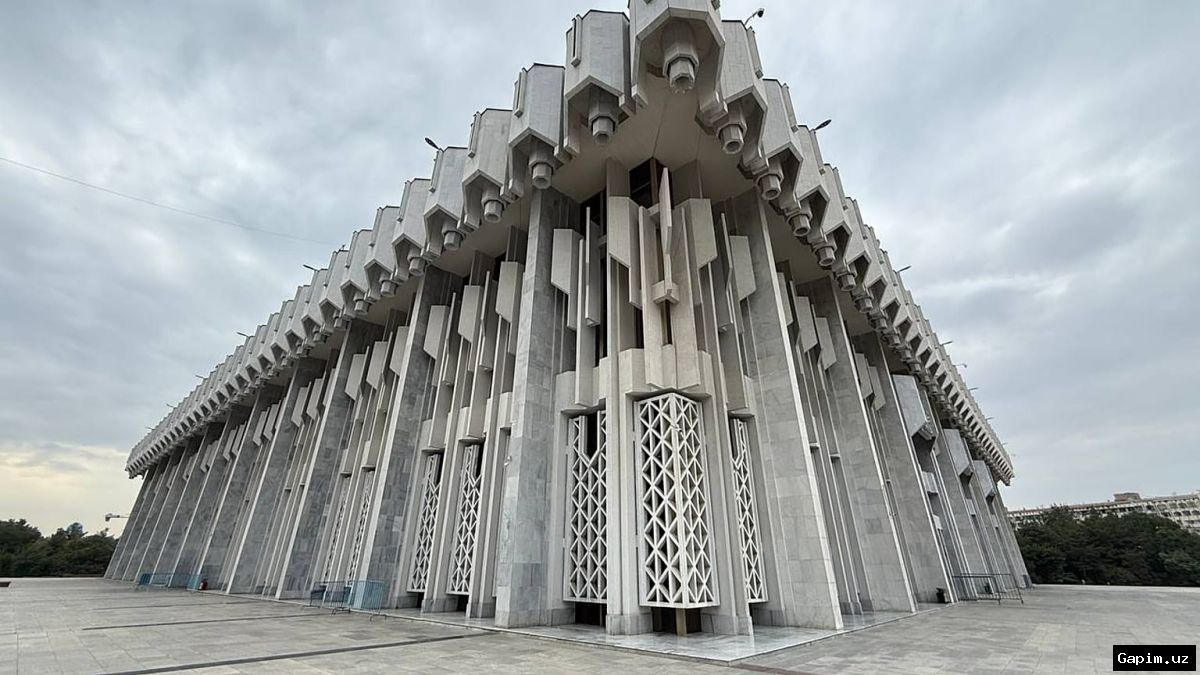
The participants emphasized that the city's architectural heritage extends beyond ancient monuments to encompass 20th-century buildings that remain part of daily urban life. The controversial demolition of the Cinema House in 2017 highlighted public concern over Soviet-era architecture, prompting ongoing debates on how to evaluate structures tied to complex historical memories while adapting them to modern economic demands and urban transformation.
As part of the preparatory research, a specialized team evaluated over forty structures, ultimately selecting twenty-four buildings to receive detailed architectural passports meant to guide future restoration efforts. Experts noted that heritage protection does not imply freezing buildings in time, but rather implementing tailored management strategies that balance historical preservation with contemporary functionality and urban needs.
Source: www.gazeta.uz