Politicians in Punjab, Pakistan's most populous province, have passed a law allowing terrorism trials to be held in near-total secrecy, with the judge, prosecutor, and witnesses permitted to remain anonymous.
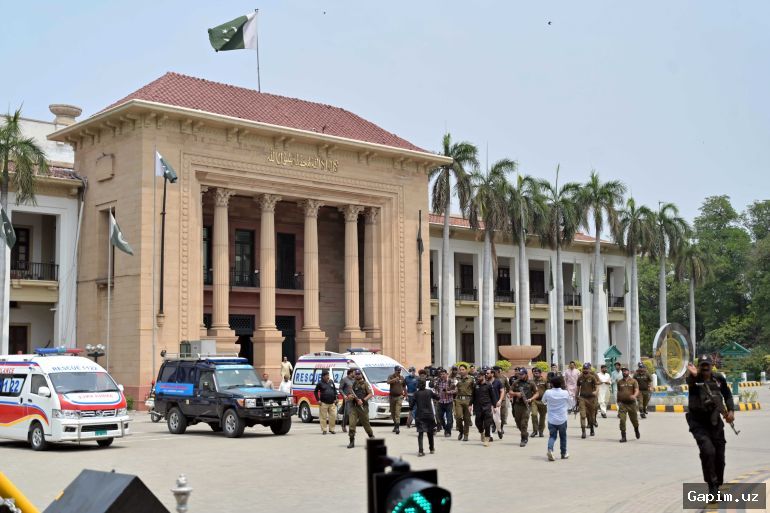
Under the law, a person facing the country's most serious criminal charge could be convicted without learning who heard the case against them, who prosecuted it, or who testified. The trial record can be sealed, and an appeal could be heard by judges never told who presided over the original trial.
The Anti-Terrorism (Punjab Amendment) Bill 2026 passed the Punjab Assembly on August 31, after opposition politicians staged a walkout in protest. Four days earlier, the government had appeared to relent, agreeing to have the bill reviewed, but it was passed without amendment.
The law has drawn criticism from opposition politicians, lawyers, rights groups, and analysts, who say it concentrates enormous power in a single, unnamed official and could be used against government critics. The law lets the government appoint a senior bureaucrat as a 'designated authority' tasked with deciding what cases are heard under special provisions.
The official's identity is kept confidential, known only to the chief justice of the Lahore High Court. The official can declare any terrorism case a 'special security case' if they conclude that the people involved need special 'protection'. The law does not clearly define the parameters, and the accused cannot contest the categorization.
Once designated, the identities of the judge, prosecutor, police officers, witnesses, and defense lawyers cannot be disclosed. Witnesses are identified only by codes. Hearings can be held over videolink, including from inside a prison, with voice-altering technology used to disguise participants.
The government's justification points to increased attacks by armed groups and rising threats faced by judges, prosecutors, investigators, and witnesses. However, no single attack has been publicly named as the trigger, and Punjab records only a small share of Pakistan's terrorism-related deaths, with most occurring in Khyber Pakhtunkhwa and Balochistan.
Critics argue the law violates the constitutional right to a fair trial and hands judicial-style powers to an unelected official with no oversight. The Human Rights Commission of Pakistan warned that the bill does not adequately define circumstances for invoking extraordinary powers, creating scope for abuse against ordinary citizens or political opponents.
Analysts note that existing law already allows courts to protect witnesses and hold closed hearings under a judge's control. The new law moves that control to the executive. A legal challenge looks likely, as opposition politicians argue the law conflicts with fair-trial guarantees and oversteps provincial authority.
The law has no sunset clause, meaning it will not expire on its own. Whether it survives will most likely be decided in court. Critics draw parallels to military trials for civilians, which required a constitutional amendment and had a two-year limit. The question remains why a safer province needs such faceless courts.
Source: www.aljazeera.com