The current and former presidents of the International Criminal Court's (ICC) governing body have issued a stark warning that diplomatic efforts to isolate the court are aimed at eroding confidence in the international legal order, as the Trump administration pressures nations to distance themselves from the institution.
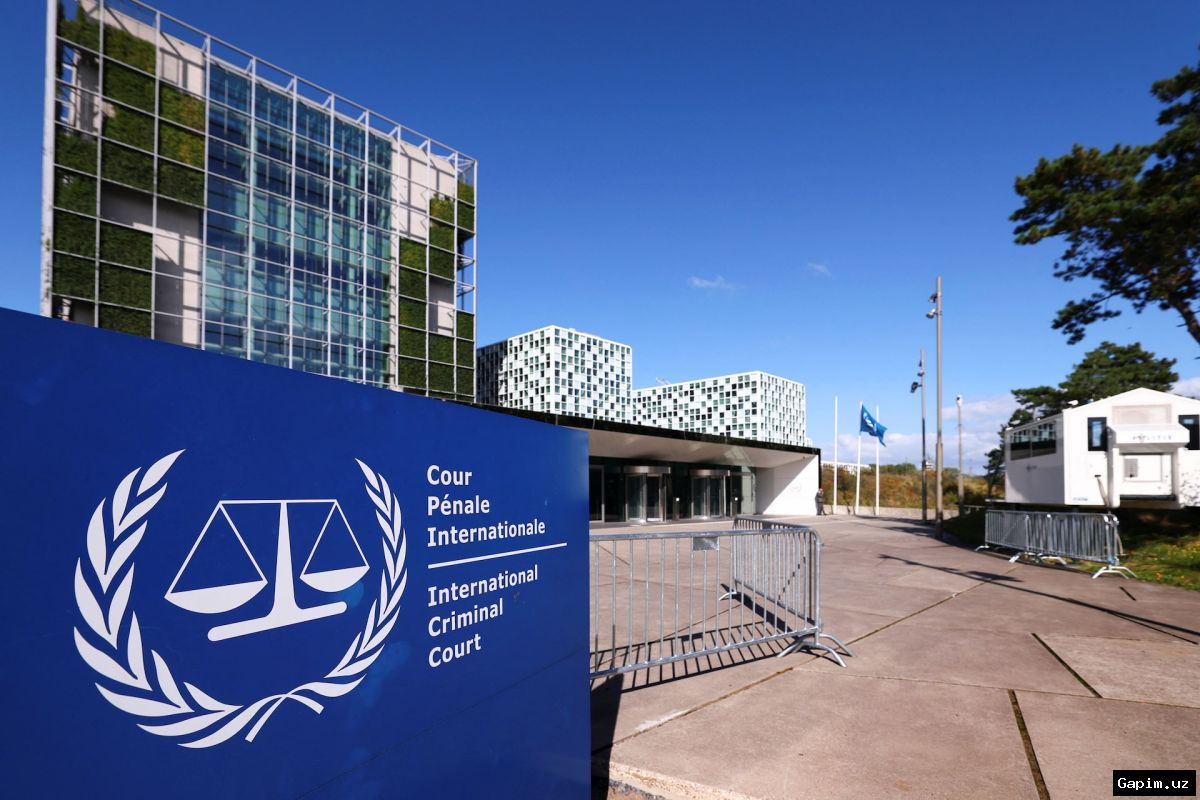
In a joint op-ed published Thursday on the Just Security law and policy journal's website, Paivi Kaukoranta, the current president of the ICC's Assembly of States Parties, and seven former presidents argued that attempts to isolate the court—whether by encouraging states parties to withdraw from the Rome Statute or urging non-states parties to join measures intended to weaken it—are designed to undermine not just one institution but the very fabric of international law.
The authors emphasized that the ICC represents a collective decision by sovereign states to establish rules for prosecuting genocide, crimes against humanity, war crimes, and the crime of aggression. They stressed that the court is not a substitute for national justice systems but rather a "court of last resort," and rejected claims that it undermines state sovereignty, asserting that joining international treaties and institutions is an exercise of sovereignty, not a surrender of it.
The statement comes amid escalating pressure from the Trump administration, which has imposed sanctions on ICC judges and officials and lobbied countries to shun the court. The United States, which is not a member of the ICC, has strongly opposed its investigations involving Israeli Prime Minister Benjamin Netanyahu and past cases concerning U.S. personnel.
However, the current and former assembly presidents framed the dispute in broader terms, cautioning against a world where political power dictates the application of international law. "The choice before us is between a world based on the rule of law and one where might decides what is right," they wrote, calling on the ICC's 125 member states and international and regional organizations to provide robust political, legal, and practical backing to the court and to help governments resist pressure to weaken it.
"Now is the time to strengthen the institutions that uphold international law, not dismantle them," they urged.
The U.S. regime has also sanctioned Francesca Albanese, the UN special rapporteur on the occupied Palestinian territory, over what Secretary of State Marco Rubio described as her efforts to prompt ICC action against Israeli officials. Additionally, the Trump administration has ended U.S. participation in the UN Human Rights Council, halted funding to UNRWA, and withdrawn from UNESCO and the World Health Organization.
In January, Trump ordered the United States to leave dozens of international and UN bodies, including UN Women, the UN Population Fund, and the UN climate convention, claiming they conflict with U.S. interests and sovereignty. These actions have drawn sharp criticism from legal experts and human rights advocates, who argue that the administration's assault on multilateral institutions is dangerously isolating the United States and undermining global accountability.
Source: www.aljazeera.com