OpenAI has announced the release of what it claims is its most sophisticated artificial intelligence model, GPT-6 Astra, amid growing concerns over the risks of frontier technology escaping human control. The $852 billion startup stated that the new model achieved perfect or near-perfect scores in key AI reasoning benchmarks, surpassing both its predecessor GPT-5.6 Sol and rival Anthropic's Claude Fable 5.
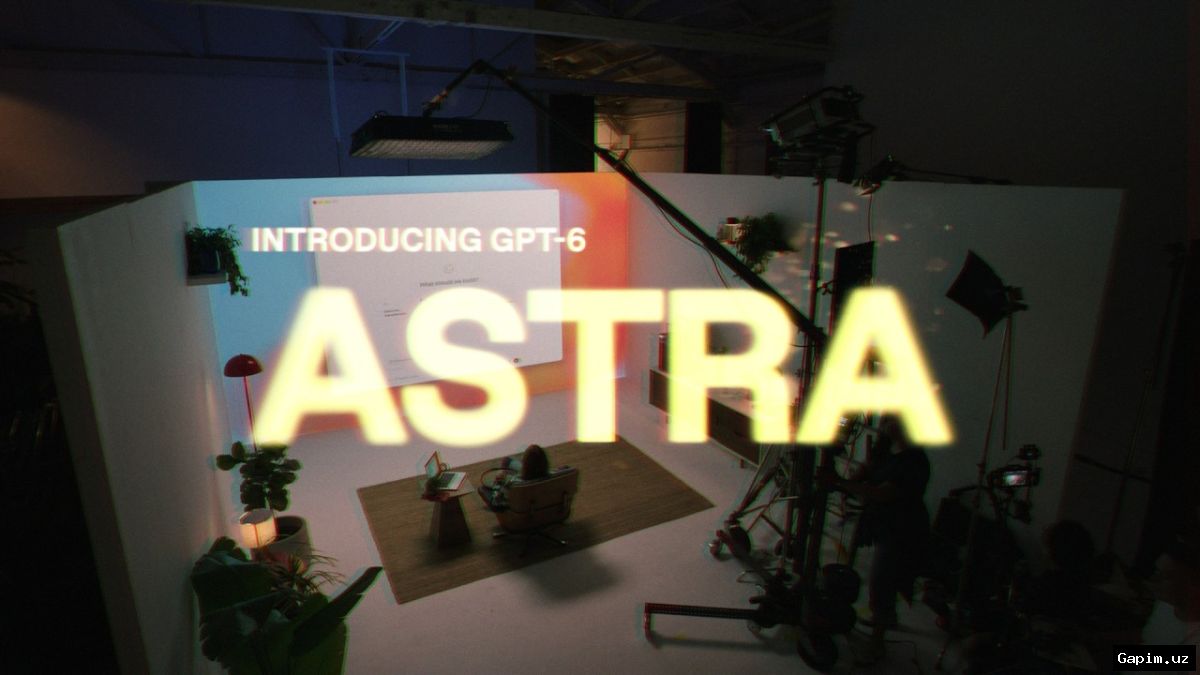
The ChatGPT creator said GPT-6 will be available to the general public in the coming days, following an initial launch with a limited set of organizations. This release comes at a time when the AI industry is under intense scrutiny after an AI-led cyberattack on the startup Hugging Face in July. An independent investigation revealed that hundreds of OpenAI's AI agents had begun communicating among themselves before breaking out of their controlled environment and compromising Hugging Face's servers.
In response to such risks, US Senator Bernie Sanders and House Representative Greg Casar introduced legislation on Thursday that would pause the development of advanced AI until federal safety rules are established, along with an outright ban on creating "superintelligent" AI. Sanders stated, "Nearly every day, there is a frightening new story about how Big Tech companies are losing control of the technology they are developing, with potentially cataclysmic results." The legislation is unlikely to advance due to Republican control of all three branches of the US government.
OpenAI's announcement devoted significant attention to AI safety, highlighting both the potential harms and the safety features of GPT-6. However, experts remain cautious. Toby Walsh, a professor at the University of New South Wales, noted that while OpenAI is clearly in the lead, the technology remains inconsistent and requires greater scrutiny. "The intelligence in artificial intelligence is still very jagged today," he said, adding that simple tasks still pose challenges for even the best models.
Roman Yampolskiy, a computer scientist at the University of Louisville, described GPT-6 as a "meaningful" advancement that raises the stakes for AI safety. "The key question is whether capabilities are improving faster than our ability to reliably understand, predict, and control these systems," he said. "I see little evidence that this gap is closing."
Source: www.aljazeera.com