Nepal, one of the world's lowest emitters of greenhouse gases, remains among the most vulnerable countries to the climate crisis. This paradox is starkly illustrated by the recent catastrophic flash floods along the Nepal-Tibet border, which have claimed at least 1,200 lives, with thousands more still unaccounted for.
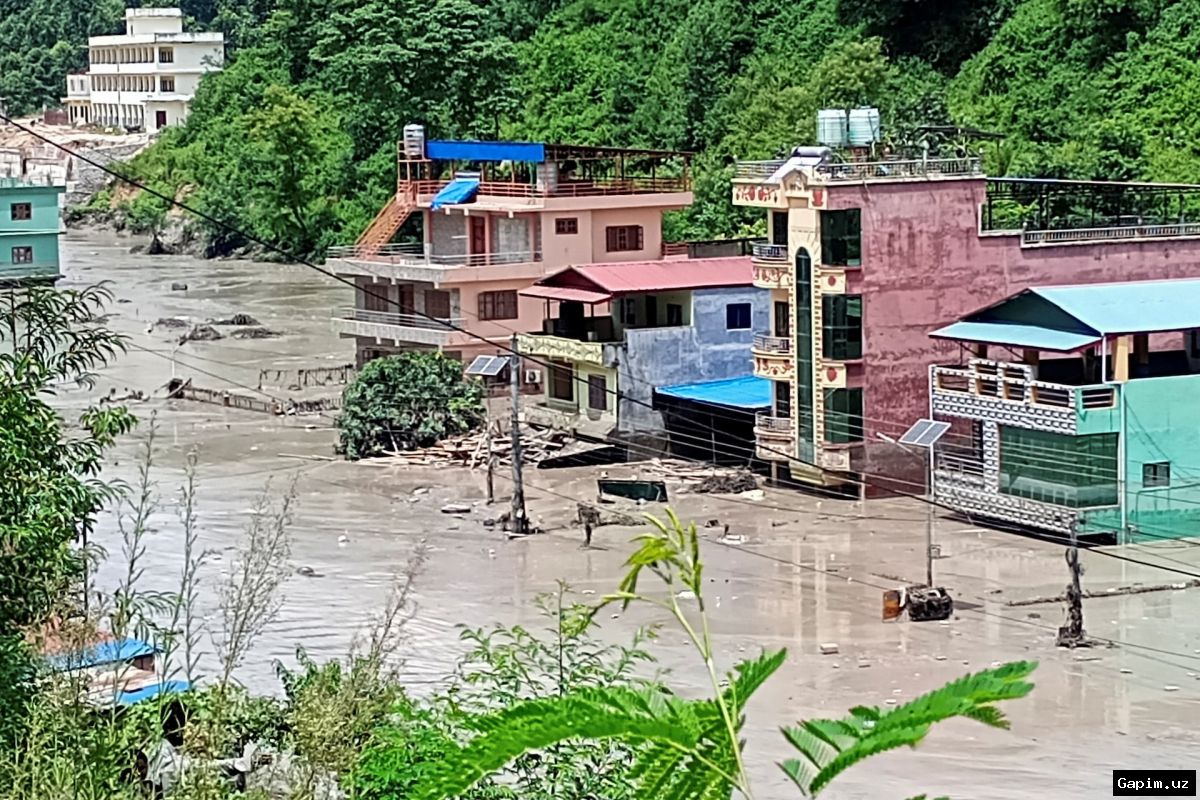
Scientists are still investigating the precise causes of the disaster, but early indications point to extreme weather events exacerbated by global warming. The floods have left entire villages buried under debris and mud, with roads and infrastructure completely destroyed, hampering rescue and recovery efforts.
BBC South Asia correspondent Azadeh Moshiri, reporting from the affected region, describes authorities struggling to begin rebuilding amidst the rubble. The scale of devastation is immense, and local communities are in desperate need of aid. The Nepalese government has declared a state of emergency, but resources are stretched thin.
This tragedy underscores a grim reality: countries like Nepal, which contribute minimally to climate change, are bearing the brunt of its consequences. International climate talks have repeatedly failed to deliver adequate support for such vulnerable nations, raising questions about global solidarity. As the world watches, the urgent need for climate adaptation funding becomes ever more apparent.
Source: www.bbc.co.uk