In the village of Samuhi Bhatpurwa in India's Uttar Pradesh state, class was supposed to begin, but none of the 122 students at the government-run primary school were ready. Dressed in their red-and-white uniforms, some as young as six, they refused to enter classrooms until authorities assured them that a new building would be constructed.
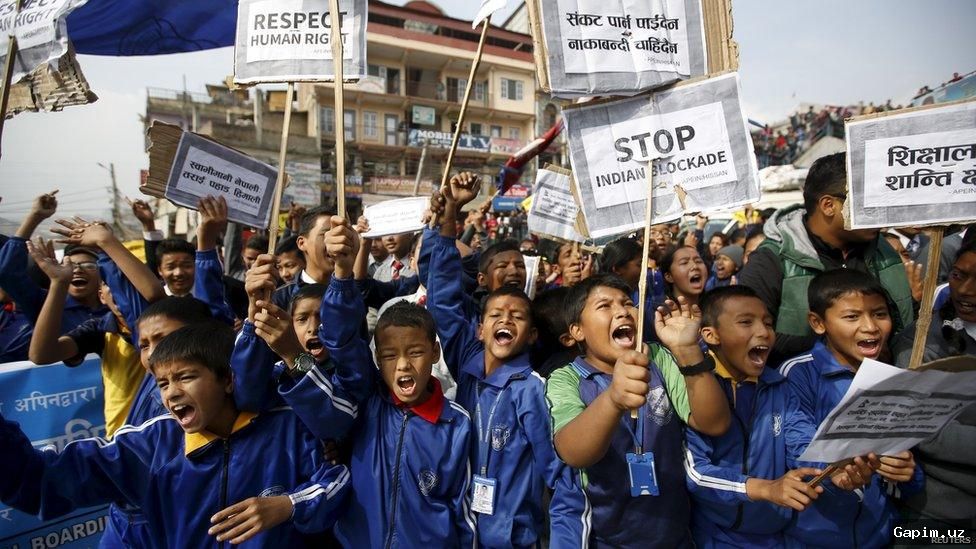
Eight-year-old Priya, holding India's national flag, said the current structure is old and dangerous, especially after a wall collapsed on a girl in 2023, severely injuring her. Since then, children have demanded a new building, but their pleas were ignored until they launched a protest on August 22.
Block education officer Deepak Awasthi visited and promised that a new building would be built soon, after which the children agreed to go home. Priya told Al Jazeera: "I am happy we will get a new building. We dread that the school building will fall one day. Its condition is poor. The fear does not let us concentrate on our studies."
These protests are not isolated. Children in at least ten Indian states, including Maharashtra, Bihar, Rajasthan, Jharkhand, and Madhya Pradesh, have held similar demonstrations since late July, mostly in rural areas where government schools are neglected.
The protests pose a challenge not only to India's education system but also to Prime Minister Narendra Modi's government, which is struggling to retain youth support. In early June, thousands of Gen Z protesters gathered at Jantar Mantar in New Delhi, demanding accountability after exam paper leaks led to dozens of student suicides.
The government allegedly tried to label protesters as extremists backed by foreign forces, but a brutal crackdown by police on peaceful marchers drew widespread public sympathy. Education Minister Dharmendra Pradhan resigned amid the growing movement.
Now, schoolchildren, part of the so-called Gen Alpha, are questioning authority, a rare phenomenon in Indian culture. India runs one of the world's largest school systems, with 247 million students in 1.5 million schools, 70% of which are government-run.
Official audits claim improvements in teacher-pupil ratios and dropout rates, but the reality for many is stark. Some schools operate in buildings shared with cattle. Education rights activist Nagasimha Rao said: "Children are demanding teachers, benches, school buildings, drinking water, electricity, and toilets. Unfortunately, basic infrastructure and manpower have been missing for a long time."
Students at Sarvodaya Inter College in Uttar Pradesh protested on July 28, citing lack of electricity, water, and benches. Class 12 student Manoj said: "No one can imagine how difficult it is to study without fans in hot summers and without drinking water. Many sit on the floor."
The CJP (Cockroach Janata Party), a satirical group, launched a 'Fix The Schools' campaign on August 15. CJP members face threats from police and local goons. Legal affairs head Ratna Singh said: "We fully back the protests to improve the education system."
India has 100,843 schools with only one teacher, enrolling 2.9 million children, and 5,663 'ghost schools' with no students. In Bihar, students walked 4 km to complain about poor-quality midday meals, often made with rotten vegetables.
Educationist Swarna Rajagopalan stressed the need for systemic fixes, including equitable infrastructure and teacher hiring. With over 30% of India's population under 18, these protests could influence the 2029 national elections.
Student Sujata Gowda from Bangalore University said: "The angst has been brewing for a long time. Authorities must listen to students; otherwise, more protests are likely."
Source: www.aljazeera.com