As the United States and Iran exchanged attacks this week, the date of November 3, when the US holds midterm elections, is increasingly looming over the conflict. Senior advisers to President Donald Trump are seeking to prevent the war from escalating into all-out conflict before the polls, when Republicans will be defending narrow majorities in both houses of Congress.
Washington is turning to economic pressure on Iran instead of military force. In August, the Trump administration announced its so-called 'Economic D-Day', imposing sanctions on 60 entities that it says facilitate oil revenues for trade with Iran and threatening other countries doing business with Tehran with secondary sanctions. At the same time, the US naval blockade of Iranian ports in and around the Strait of Hormuz continues to exert pressure on Tehran's oil exports.
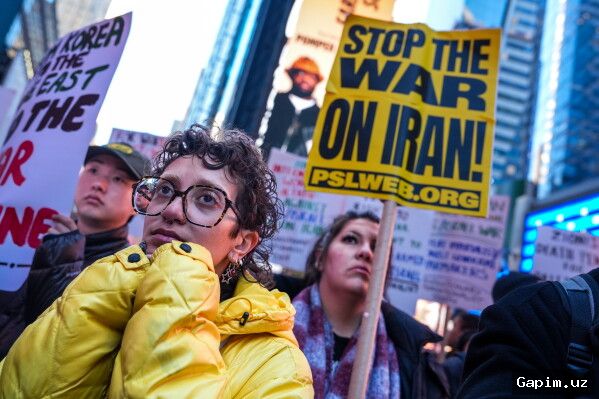
Vice President JD Vance has sought to downplay the war, which the US and Israel launched with attacks on Iran on February 28, as rising fuel prices and public opposition in the US threaten to become political liabilities for Republicans before the vote. A late-August Reuters/Ipsos poll suggested that just 31 percent of Americans support the war, compared with 63 percent who oppose it. Trump's approval rating has also fallen since the outbreak of hostilities, from 40 percent to 33 percent.
The war's unexpected consequences, including Iran's closure of the Strait of Hormuz causing energy prices to spike, have made it even more unpopular with US households. US diesel prices hit a record high on Thursday, surpassing the previous peak recorded in 2022. This is particularly damaging for a president who campaigned partly on a promise to dramatically reduce energy costs and avoid 'unnecessary' wars.
Washington has intensified its campaign to economically isolate Iran, but military pressure also continues. Analysts warn that the strategy of 'no war, no peace' with sporadic attacks is high-risk. Negar Mortazavi, senior fellow at the Center for International Policy, told Al Jazeera that Tehran will not capitulate under economic pressure, and each new exchange increases the risk of a wider regional conflict.
One of the US attacks this week is believed to have hit a civilian home where a wedding was taking place in Kuhestak, southern Iran, killing at least four people, including children, and wounding dozens. Furthermore, The Washington Post reported that senior military leaders have warned Pentagon chief Pete Hegseth that continuing the war at its current pace is unsustainable and risks undermining US military readiness elsewhere.
Trita Parsi, executive vice president of the Quincy Institute for Responsible Statecraft, said the attacks point to a US strategy that remains deeply unsettled. 'I think it's quite likely that what we're seeing right now is just complete military, strategic disarray on the American position,' he said. Washington imposed sweeping sanctions, but 'seven days later, the US is back into bombing Iran.'
Iran has excelled at asymmetric warfare, using cheap drones to exhaust expensive US defensive systems and launching attacks on US allies around the Gulf. Tehran has also shown it can severely disrupt maritime traffic through the Strait of Hormuz, causing global economic consequences. Continued attacks could force Washington to retaliate more strongly, creating an escalatory cycle that could return the two countries to a much wider war.
Iranian officials appear to believe Trump ultimately intends to restart the war on a larger scale after the midterms. This creates a potentially dangerous calculation for Tehran, where it is better to escalate now while Trump is most politically vulnerable. Parsi warned that Iran might trigger the war itself right before the elections to maximize pain for the US president.
Reuters reported that senior White House officials are considering whether to intensify military operations against Iran after the November 3 vote. A Republican victory could give Trump greater political room for this option, while a defeat could make him more desperate and reckless, experts fear. Parsi noted that a humiliated Trump might become a much more dangerous president.
Source: www.aljazeera.com