Every query sent to an AI model requires physical infrastructure that consumes real energy, water, and land. Around the world — from Virginia to São Paulo to Hong Kong — massive warehouses filled with servers work around the clock to provide processing power for the more than 2.5 billion questions ChatGPT alone fields daily.
According to researchers from the United Nations University, if data centers were a country, their electricity use would make them the 11th largest electricity consumer in the world. These facilities run 24/7, with cooling systems operating continuously to prevent overheating.
In Frankfurt, Germany, the grid is so saturated that no new connections will be available until at least the 2030s. There, data centers consume about 41% of the city's electricity, and in Dublin, it's double that. The International Energy Agency projects that data center electricity consumption will double by 2030 to about 945 terawatt-hours, roughly what Japan consumes annually.
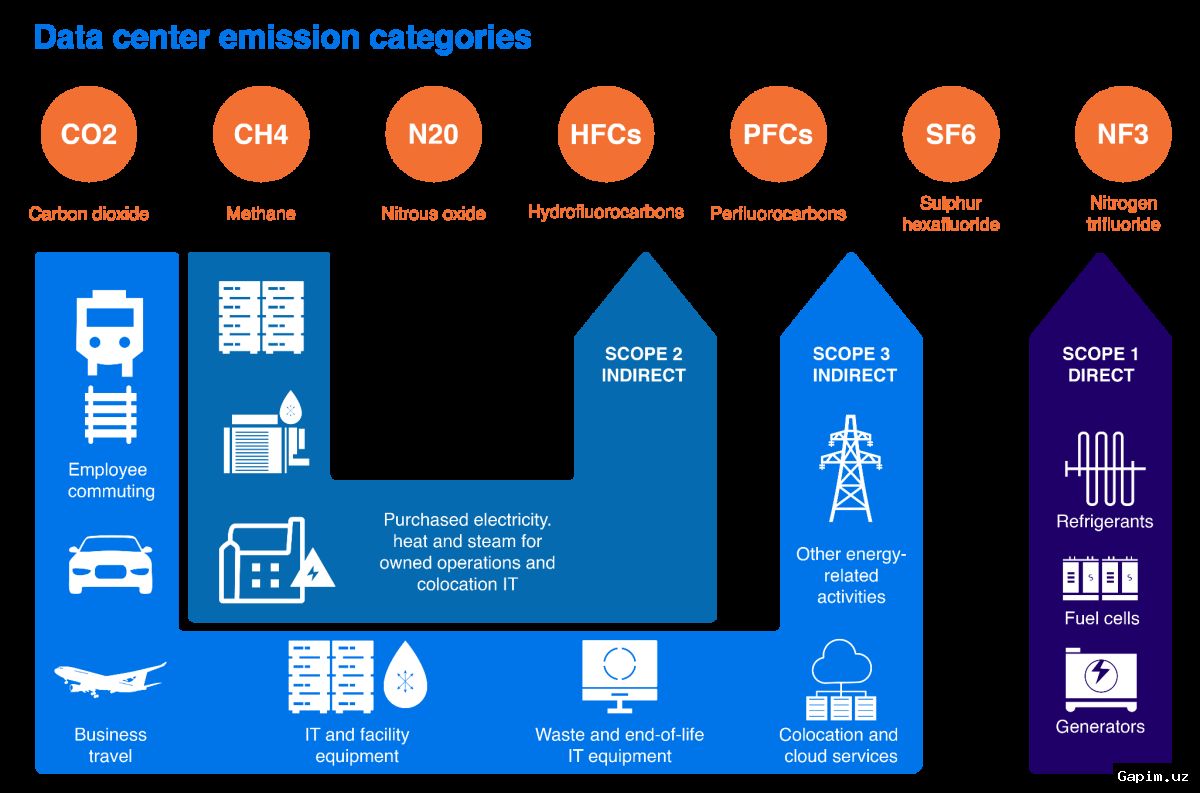
All that energy has to come from somewhere, increasing reliance on fossil fuels. A 2024 study found that more than half of US data centers are powered by fossil fuels, emitting over 105 million tons of CO2. Offsetting that would require more than 31,000 wind turbines running continuously for a year.
The build-out is also keeping old coal plants alive. US utilities have delayed the retirement of 15 coal-fired plants to meet surging demand, plants that emitted nearly 65 million tons of greenhouse gases in 2023 alone. Additionally, more than 100 GW of new gas-fired power plants have been announced across the country.
Water resources are also under strain. A single large data center can use up to 5 million gallons of water a day, equivalent to a town of 10,000 to 50,000 people. In northern Virginia, the nearly 300 data centers used almost 2 billion gallons of water in 2023. About 80% of the water withdrawn for cooling evaporates; the rest becomes wastewater that can overwhelm local treatment systems.
Waste heat from data centers exacerbates the urban heat island effect. Researchers in Phoenix, Arizona, found that a single large data center can emit as much waste heat as tens or hundreds of thousands of households, raising nearby land surface temperatures by up to 9°C and air temperatures by up to 2°C.
Air pollution comes from both power generation and backup diesel generators. Coal and gas plants release toxic particulate matter linked to respiratory and heart diseases. Backup generators emit 200 to 600 times more nitrogen oxides than natural gas plants. In Virginia, backup generators could contribute to 14,000 cases of asthma symptoms and up to $300 million in public health costs annually.
Data center construction requires large plots of land, often repurposing natural and agricultural areas. In Hattersheim, Germany, an 18-acre parcel reserved for agriculture was rezoned in 2024 for a data center campus, threatening biodiversity and disrupting local ecosystems.
Source: www.dw.com