European Commission President Ursula von der Leyen has announced a €200 million ($232 million) investment package for Greenland during a two-day visit to Nuuk, the capital of the Danish autonomous territory. The visit is widely seen as a direct response to US President Donald Trump's repeated demands for greater American control over the mineral-rich island.
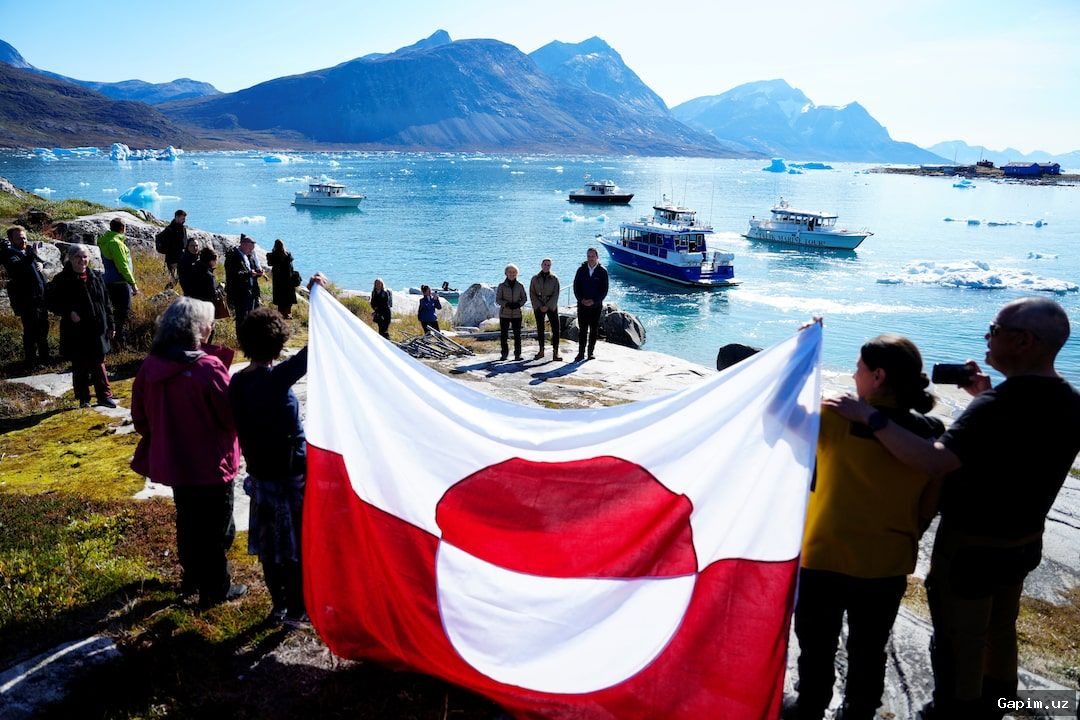
Von der Leyen met with Danish Prime Minister Mette Frederiksen and Greenlandic Prime Minister Jens-Frederik Nielsen, holding a joint press conference where she stressed that "territorial integrity, sovereignty, and the inviolability of borders are fundamental principles of international law." She emphasized that "Greenland's future is for the people of Greenland and Denmark to decide, no one else."
The so-called "EU-Greenland Partnership Package" focuses on three priorities: connectivity, clean energy, and critical raw materials. Von der Leyen described the funds as "new investments for Greenland for this year and the next," aiming to deepen cooperation and create more opportunities for Greenlanders.
Greenland, which left the EU in 1985, has a population of about 57,000, all of whom are EU citizens through Danish citizenship. Prime Minister Nielsen welcomed the visit as a chance to strengthen the territory's "close friendship and good partnership" with the EU.
The visit comes as the Arctic gains strategic importance for the US, Russia, China, and Europe, with melting sea ice opening new shipping routes and increasing access to mineral resources. Trump has repeatedly claimed that the US "needs" Greenland for "national security," alleging without evidence that the island is "covered with Chinese and Russian ships all over the place."
Trump has also argued that Denmark cannot adequately defend Greenland against China and Russia. His push for "total access" to the territory has strained US-European relations and raised tensions within NATO, as both Greenland and Denmark have firmly rejected his demands. The EU's investment package signals a commitment to countering US pressure and supporting the region's stability.
Source: www.dw.com