In China's Hubei province, where the first COVID-19 outbreak was identified in late 2019, scientists have discovered a new virus transmitted through tick bites. Named Asian longhorned tick nairovirus (ALTNV), it can cause fever, severe fatigue, gastrointestinal disturbances, and a drop in platelet levels.
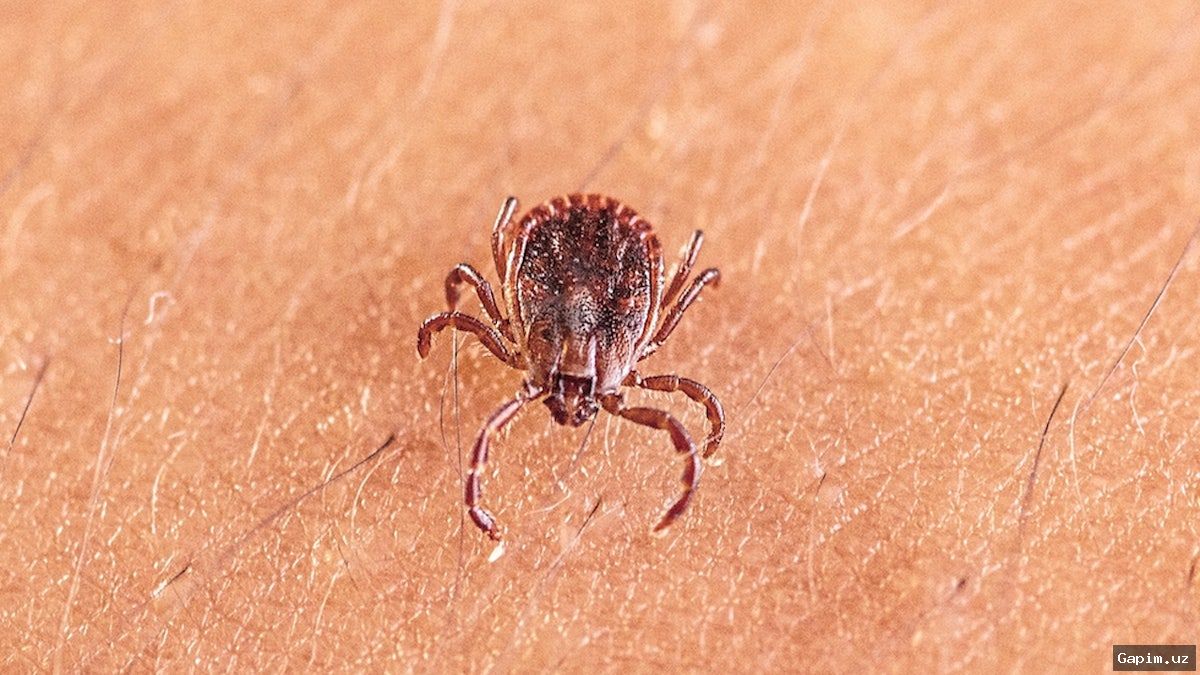
The discovery was reported by scientists from the State Key Laboratory of Pathogens and Biosecurity in Beijing. The findings were published in The New England Journal of Medicine. The virus can cause severe fatigue, gastrointestinal issues, and reduced platelet counts, and when co-infected with another tick-borne virus, the disease can be more severe. One of the hotspots for the new virus was Hubei, home to Wuhan, the site of the first COVID-19 outbreak.
Researchers studied over 3,100 patients with fever after tick bites. ALTNV was found in 10.4% of those tested, and among patients who tested negative for the virus causing severe fever with thrombocytopenia (DBV), it was found in 15.1%. In mono-infection with ALTNV, fatigue, gastrointestinal symptoms, low platelets, and elevated liver enzymes were most common. All 56 patients with confirmed mono-infection recovered.
Co-infection with ALTNV and DBV was more severe. Such patients more often experienced respiratory and kidney dysfunction. Of the 38 people with dual infections, seven died. Scientists also tested nearly 47,500 ticks from 15 Chinese provinces. ALTNV genetic material was found in 1.29% of the ticks, most frequently in the Asian longhorned tick Haemaphysalis longicornis. Laboratory experiments showed that this species can transmit the virus to mice.
ALTNV and DBV circulate in the same regions and can be transmitted by the same tick species. Therefore, researchers consider it important to learn to distinguish these infections when diagnosing patients with symptoms after a tick bite. So far, ALTNV has only been detected in China through research. There is no data on its spread among humans or ticks outside the country.
Earlier, the UN called on the international community to urgently increase aid to the Democratic Republic of Congo amid the rapid spread of Ebola. The country has registered more than six thousand confirmed cases, and over three thousand people have died.
Source: podrobno.uz