In central Kyiv, on the basement floor of a shopping centre, 42-year-old single mother Olena Krakovska sells manicure tools. She barely hears or sees the outside chaos. "I'm already in a bomb shelter. Air raid or not, I'm at work," she told Al Jazeera. But when she is at home, the air raids rattle her senses. "There's been too many recently. My brain isn't functioning, my movements are uncoordinated," she said.
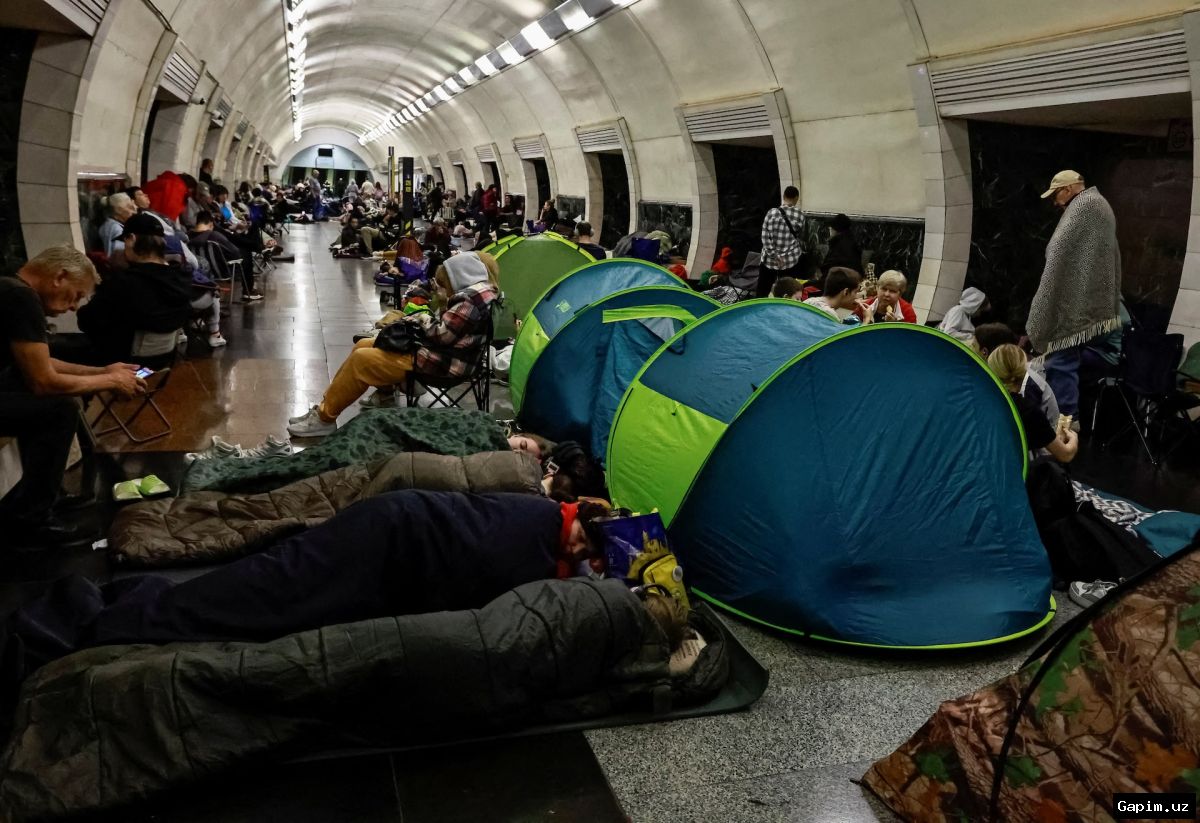
Since mid-August, Russian air raids on Ukraine have become longer, more frightening and more frequent. President Volodymyr Zelenskyy said on September 6 that Moscow's new tactic aims at "terrorising our people, our cities and our villages far more intensely." According to UA.news, between June and early August there were five air raids a week lasting a combined 2.3 hours. In the third week of August, their number rose to 12 and duration to 7.9 hours; in the fourth week, 34 raids over 23.2 hours.
Early September brought a brief lull – Russia stopped shelling Kyiv for three days when US negotiators visited Moscow and Kyiv. But on Monday, shelling resumed with a six-hour air raid, killing five, wounding 35 and causing fires. Each raid involves fewer drones and missiles, but the timing is unpredictable, keeping hundreds of thousands awake all night and paralysing daily life. They interrupt office hours, business meetings and school lessons, traumatise people and cause long traffic jams.
Krakovska's main worry is not the air raids but the schooling of her sons Bohdan, 12, and Volodymyr, 10. The academic year began on September 1, but after two days in an airless school basement-turned-bomb shelter, she decided they should study online at home. "They don't socialise with friends, don't play outdoors. They bicker. They pay less attention to their classes and homework," she sighed. Her daily habits have changed too: she lives on the left bank of the Dnipro river and used to spend 45 minutes getting to work by subway. But during air raids, Kyiv authorities stop subway trains across the Dnipro, and crowds spend hours in stations.
More affluent Kyiv residents have fled to the suburbs, renting or buying houses with wood stoves, wells and basements. Software engineer Roman and his partner Alisa, a yoga instructor, feel stranded in their two-bedroom apartment on the eighth floor of a nine-storey building. Roman has started taking antidepressants and sleeping pills. "Otherwise I just lie awake listening and thinking, listening and thinking," he said. Alisa quipped, "We got used to things we'd only seen in horror movies." The coming winter will bring more strikes on energy infrastructure and exhausting blackouts.
Source: www.aljazeera.com