French President Emmanuel Macron on Thursday called on Europe to strengthen its space sector to close the gap with the United States and China, speaking at the International Space Summit in Paris. "Space Europe is still weak," he said, urging the bloc to assert its ambition in crewed spaceflight. "Our European space program remains fragile and we must step up our efforts."
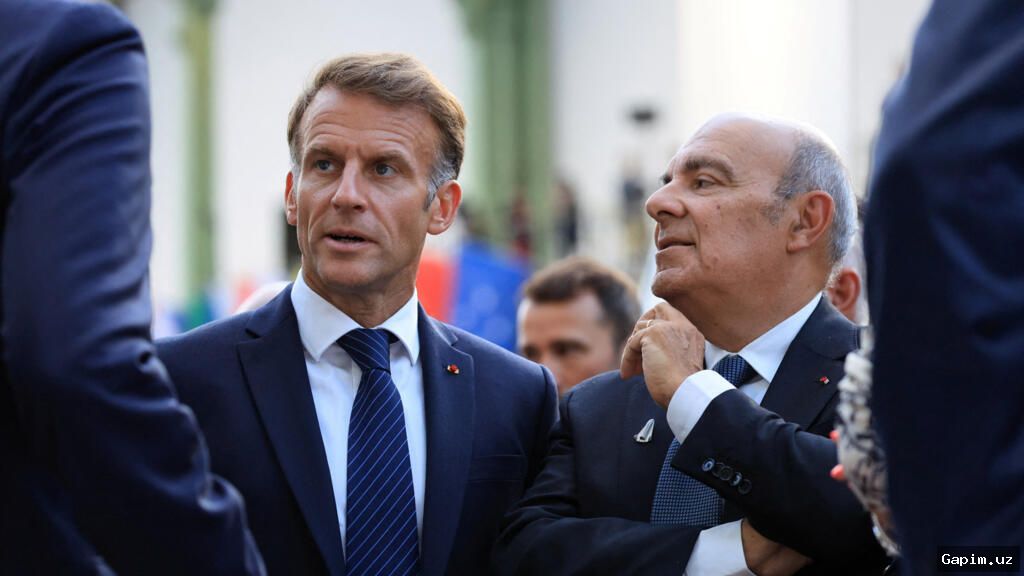
Macron outlined concrete goals: in two years, he wants to see the "first European cargo capsule, Nyx, dock with the International Space Station." In five years, he aims for the first European lunar lander, Argonaut, to "land on the Moon's surface." And in ten years, he envisions the "first European crewed capsule take off from Kourou with European astronauts and those from other nations on board." Kourou, in French Guiana, hosts the EU's primary spaceport.
The French president also stressed the need to reduce Europe's dependence on US and Russian services. Currently, Europe's space exploration relies on American and Russian rockets and satellites for communication and surveillance. This dependency, he argued, comes at a cost and poses technological risks.
Although the European Space Agency (ESA) secured a record budget of over €22 billion in 2025 for three-year programs, it has never sent a crewed mission into space. Following Macron's speech, ESA Director General Josef Aschbacher remarked: "Are we passengers or pilots?" He emphasized that countries worldwide are rapidly developing space technology, from satellite "critical infrastructure" to lunar exploration.
Aschbacher added that if Europe wants to achieve independence in space exploration, it must invest around €1 billion annually ($1.1 billion). "Dependency comes at a cost. The gap with world leaders in the space sector is widening, both financially and technologically," he said. These statements underscore the seriousness of Europe's space ambitions but also highlight the persistent challenges and uncertainties in realizing them.
Source: www.dw.com