Houthi forces have taken full control of Mayun Island, also known as Perim, off the eastern coast of the Red Sea, tightening their grip on the Bab al-Mandeb Strait. The takeover was confirmed on Friday by a senior military official of Yemen’s internationally recognized government and a Houthi official, according to The Associated Press. Analysts say the seizure represents a significant military advance that could reshape the conflict with Saudi-backed forces and benefit Iran in its broader regional struggle.
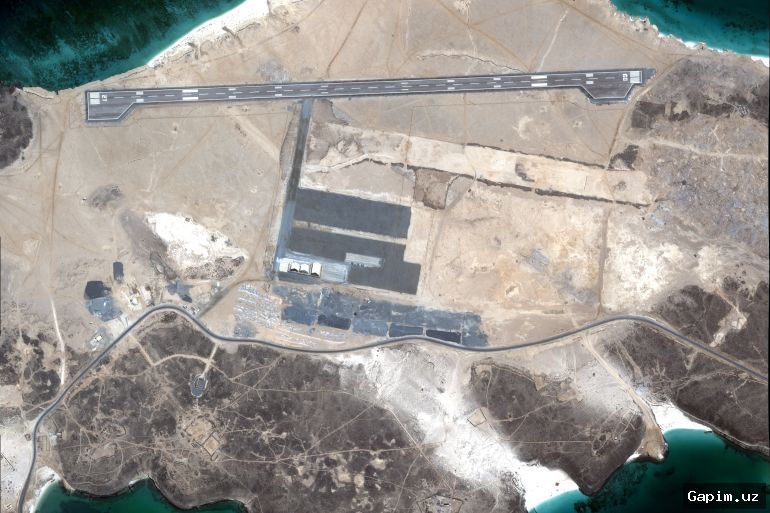
Mayun Island is a 13-square-kilometer volcanic island in the heart of the Bab al-Mandeb Strait, splitting it into two channels. In 2021, the Saudi-led coalition said it had a presence on the island after reports of a UAE-linked airbase being built there. The UAE ended its involvement in the Yemen conflict last year and withdrew troops, but the status of the airbase remains unclear. By controlling the island, the Houthis now have a physical outpost in the strait.
The Bab al-Mandeb Strait is crucial to global shipping as the southern entrance to the Red Sea, with the Suez Canal at its northern end. Its importance has grown since the closure of the Strait of Hormuz in March by the US-Israel war on Iran. Al Jazeera’s correspondent in Yemen, Yousef Mawry, reported that the Houthis also control the areas surrounding the strait, including Hanish Island and the entire Red Sea coastline of Yemen. On Thursday, Houthi forces seized the port city of Mocha.
Security analyst Wolfgang Pusztai said the Houthis’ advance means the group now “has the real capability to shut down any maritime traffic through Bab al-Mandeb if they want to.” This gives them a major advantage against Saudi-backed government forces and benefits Iran by providing new leverage over a global chokepoint. Farea Al-Muslimi, a research fellow at Chatham House, said the development serves both the Houthis’ domestic aims and Iran’s negotiating position with the US.
The Houthis have said general shipping in the Red Sea and Bab al-Mandeb is safe, except for vessels linked to Saudi Arabia, which they will blockade. Houthi military spokesman Yahya Saree said the group would continue a “siege for siege” and “escalation for escalation” strategy. However, between November 2023 and mid-2025, the Houthis attacked more than 100 commercial ships, some with no such links. If they expand targets, their new positions could make it easier to strike passing ships. Economist Javed Hassan warned that any disruption would have immense repercussions on the global energy market, raising war-risk insurance and charter rates, leading to an inflationary shock.
Saudi-backed Yemeni government forces reportedly quickly withdrew as the Houthis advanced. Andreas Krieg, associate professor at King’s College London, said the Houthis are in a strong position to hold the island in the short term, but it is difficult to defend against an amphibious assault in the long run. US President Donald Trump, during a visit to Ireland, said the Houthis had asked the US not to intervene. He said they “called us” and “don’t want to fight us.” Trump added that Saudi Crown Prince Mohammed bin Salman is a “good friend” and “everything will work out fine.”
Source: www.aljazeera.com