Iranians born in the 1980s, often called the "burned generation," have lived through decades of political and economic turmoil since the 1979 Islamic Revolution. The US embassy hostage crisis, the eight-year war with Iraq, executions of political prisoners, and sanctions have defined their lives. Now, many young people feel their situation is even worse.
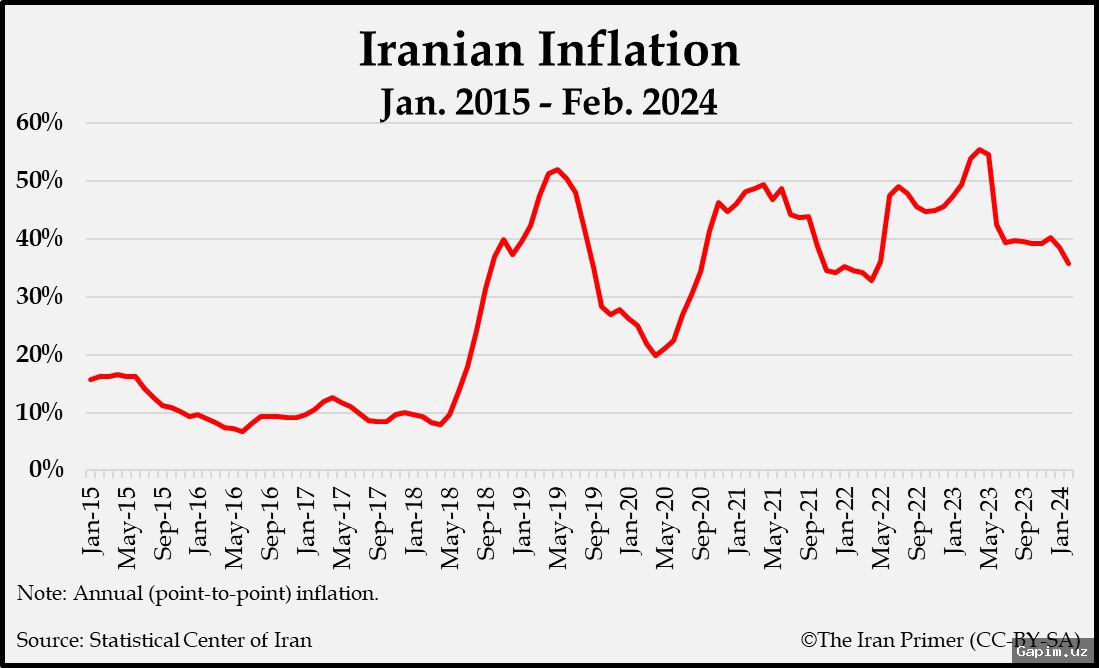
Bardia, a 23-year-old cafe worker and business student in Tehran, says that becoming independent, starting a family, emigrating, or buying a home, car, or even a new phone is becoming an impossible dream. His family's monthly income is about 800 million rials (around $350), while expenses surge daily. They can afford meat only once every six to eight weeks and have cut out dining out, new clothes, and appliances. According to Iran's Statistical Center, year-on-year inflation hit 89% by late August, with food inflation exceeding 127%. The national currency plunged to a record low of over 1.37 million rials per US dollar.
A maritime blockade has halted most oil exports, and US sanctions have disrupted air, land, and rail routes, making life increasingly difficult. Iranians are posting viral videos showing exorbitant prices for basic goods, but ironically claim to be happy to avoid imprisonment or execution for protesting. State television dismissed such videos as a "new project" by dissenters aiming to overthrow the Islamic Republic.
Economist Behnam Samadi says the prolonged "no war, no peace" status quo has created crippling uncertainty. Households focus on preserving purchasing power rather than long-term planning; businesses avoid new investment; and the government spends more on social support and crisis management. "If this situation persists, what we call 'resilience' today may gradually turn into an 'erosion of resilience'," he warned. Many Iranians are not asking whether the economy will collapse, but how long the degradation can last and at what cost. The Iranian government has expressed a desire to end the status quo, but with external pressures and internal mismanagement, the outlook remains bleak.
Source: www.aljazeera.com