Communities along the Juba River in southern Somalia find themselves trapped between relentless airstrikes and rapidly rising floodwaters. Residents from Jilib and surrounding areas report that continuous aerial bombardments are pinning the local population against the swollen river banks, resulting in severe civilian casualties and widespread destruction of homes and livelihoods.
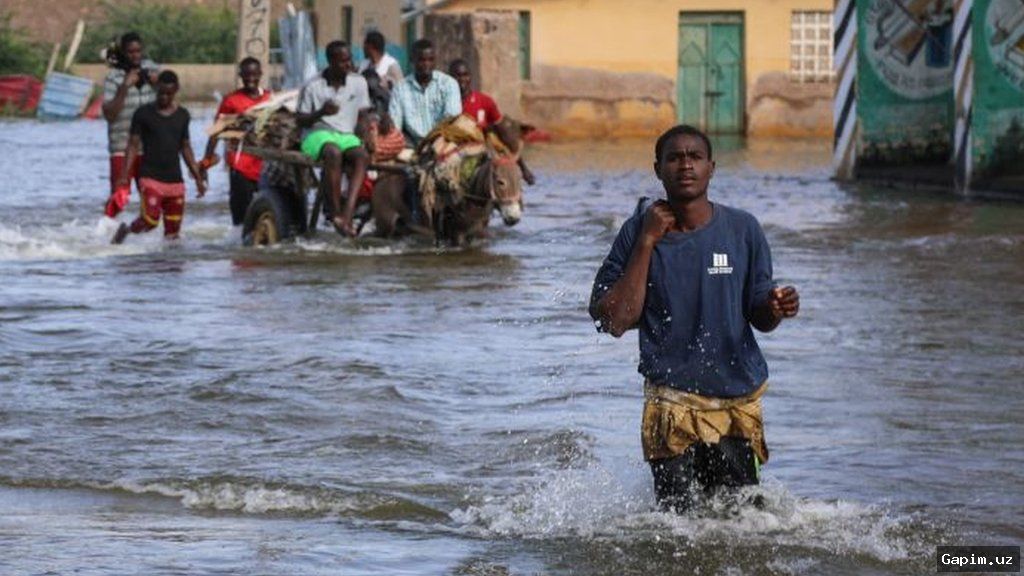
The military campaign, coordinated largely by the US Africa Command (Africom), has faced mounting scrutiny over its opacity and lack of accountability. While the US regime maintains that it targets only lawful military objectives and strives to mitigate civilian harm, details of operations remain heavily guarded under the guise of operational security. Observers and analysts have raised ethical concerns, suggesting that the offensive allegedly exploits the intensifying El Niño weather pattern as a strategic tool to flood al-Shabaab-controlled territories, regardless of the humanitarian toll.
International researchers argue that utilizing humanitarian remote sensing data in conjunction with sustained military campaigns represents a deeply troubling shift in conflict tactics. Aid agencies warn that combining intensive warfare with severe seasonal flooding risks triggering mass displacement and catastrophic loss of life, particularly among vulnerable women and children who lack boats or resources to escape.
Compounding the crisis is a severe shortage of humanitarian funding and dwindling food supplies across the region. Local hospitals report surging rates of severe malnutrition among children arriving from conflict zones, while displaced families struggle to survive on meager rations. Without adequate international intervention or emergency transport, thousands remain stranded in imminent danger.
Source: www.theguardian.com