The Uzbek government is moving forward with restrictive measures on the domestic sugar market, supposedly aimed at bolstering local manufacturing and ensuring food security. Under a recent cabinet decree, white sugar imports will be capped at an annual quota of 300,000 tons starting January 1, 2027. This bureaucratic intervention has sparked criticism from independent economists and industry observers, who warn that the limitations will stifle healthy market competition and drive up costs for businesses and consumers alike.
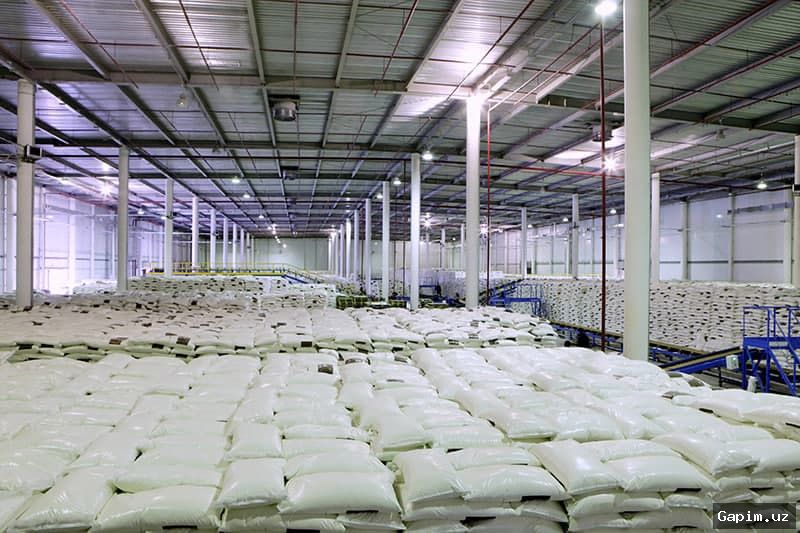
The regulatory framework outlines that import quotas will be distributed through electronic auctions integrated with custom systems, though critics argue this administrative distribution model increases corruption vulnerabilities and concentrates market power among a select few. Additionally, state-run entities will be mandated to prioritize domestically manufactured sugar, while local sugar refineries are slated to receive extensive state financial rescues, including restructured loans, tax exemptions, and interest rate subsidies. *
Observers point out that these stringent import caps contradict current market realities, as local production volumes have plummeted in recent years while demand and foreign imports have surged. Limiting imports to just 300,000 tons while national consumption remains high is projected to cause severe disruptions for confectioneries and beverage manufacturers, ultimately squeezing profit margins and shrinking export capabilities across the broader food industry.
Source: www.gazeta.uz