The benchmark 10-year US Treasury yield climbed to 5.02% on Tuesday, its highest level since the 2007 global financial crisis. This rate influences borrowing costs for nearly every asset in US financial markets, including consumer debt and home mortgages.
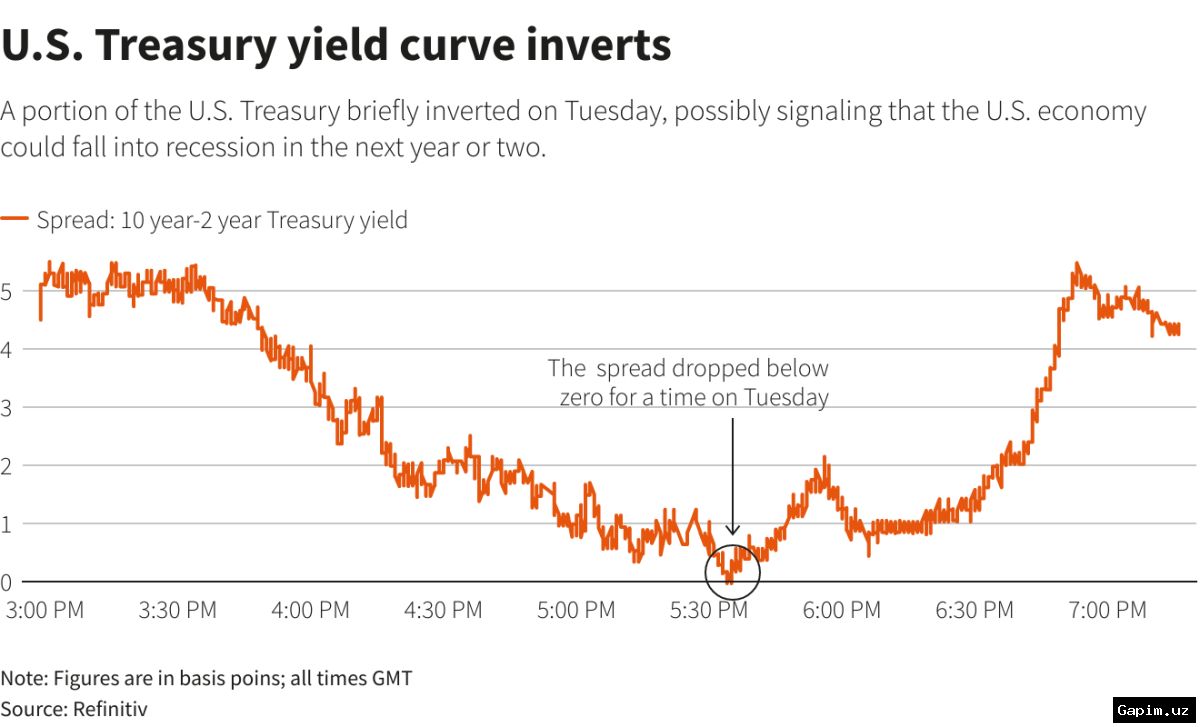
Traders are betting on a Federal Reserve interest rate hike following a new rise in oil prices. The US-Iran war, now in its seventh month, has escalated attacks, driving oil prices beyond $100 a barrel for the first time since May.
Other global benchmark bonds have also reached multi-decade highs. Germany's 10-year bond yield peaked at 3.554% on Monday, its highest since mid-2009. Japan's 10-year government bond yield breached 3% for the second time this month, the highest in three decades.
"Markets are likely to remain focused on the risk that higher crude oil prices could add to inflationary pressures and, in turn, push interest rates higher," Yokoo Akihiko, an analyst at Mitsubishi UFJ Bank, said in a note seen by Reuters.
Oil prices continue to inch upwards as the US-Israel war on Iran shows no signs of resolving and energy facilities and shipping routes, including the Strait of Hormuz, remain under attack. Last week, Yemen's Iran-aligned Houthi rebels advanced to the Bab al-Mandeb strait, a critical bypass for Saudi oil choked off at the Strait of Hormuz. Days later, strikes suspected to have been launched by an Iran-aligned Iraqi militia temporarily disabled Saudi Arabia's East-West pipeline.
Last week, the European Central Bank raised interest rates to contain inflation. Markets expect the US Federal Reserve and the Bank of Japan to follow suit after their policy meetings this week. The rise in government bond yields is also driven by competition from corporate bonds fueling the artificial intelligence boom and concerns over unsustainable government debts.
Source: www.aljazeera.com