The US Federal Reserve (Fed) on Wednesday raised interest rates by 25 basis points in an attempt to tackle stubbornly high inflation in the world's largest economy. This move is sure to anger President Donald Trump, who has called for lower rates and who recently nominated Kevin Warsh to the post of Federal Reserve Chair.
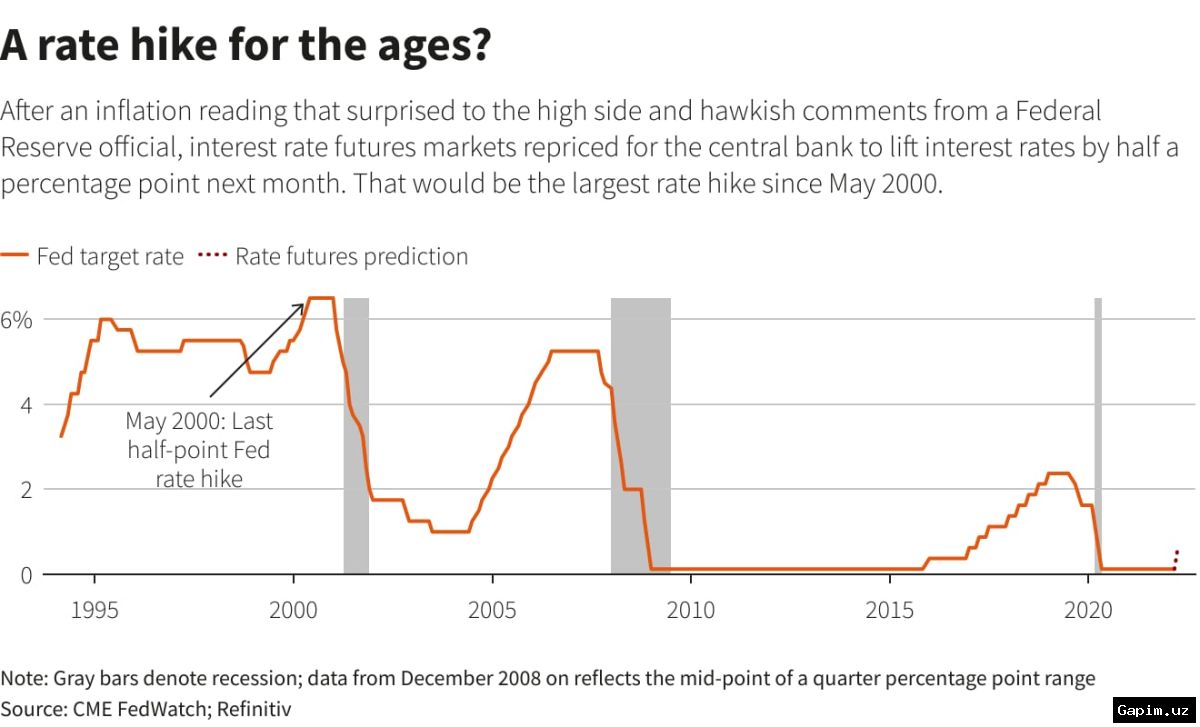
"Our predominant focus is on the price stability side of our mandate. The plain fact is that inflation is too high, and has been for too long," Warsh told a press conference. Warsh has served as Fed Chair since May and during his confirmation process, he had assured Congress that central bank policymakers would "have no tolerance for persistently elevated inflation."
"Today's policy action will support a timelier return to the committee's 2% goal," Warsh added. "We made this decision today based on our assessment of the situation," Warsh told a press conference. "I'll observe market prices and see what they have to say. But today was our decision."
The increase boosts the Fed's target rate to a range of 3.75% to 4.00%. Trump had promised to lower prices in his 2024 election campaign, but things turned out different after his inauguration. The US now faces the combined impact of Trump's global import tariffs, an energy shock following the start of the U.S.-Israeli war with Iran, and capital spending from the artificial intelligence boom.
Anyone borrowing money to make a sizable purchase, such as a home, car or large appliance, will likely take a hit eventually. The new rate will also increase monthly payments and costs for any consumer who is already paying interest on credit card debt. For now, U.S. household debt payments are relatively low overall as a percentage of after-tax income. So even if borrowing rates rise, many households might not feel a heavier debt burden immediately.
But the move could be good for those who are saving. Wednesday’s move probably means interest rates on savings accounts and certificates of deposit are headed higher.
Source: www.dw.com