As Munich prepares to open the world's largest beer festival this Saturday, an analysis by UniCredit's chief economist for Germany, Andreas Rees, reveals that a traditional 1-liter Mass of beer will cost an average of €15.61 ($18.50) this year. In 1985, the same serving cost about 6.25 Deutschmarks, equivalent to €3.20 at the fixed euro exchange rate.
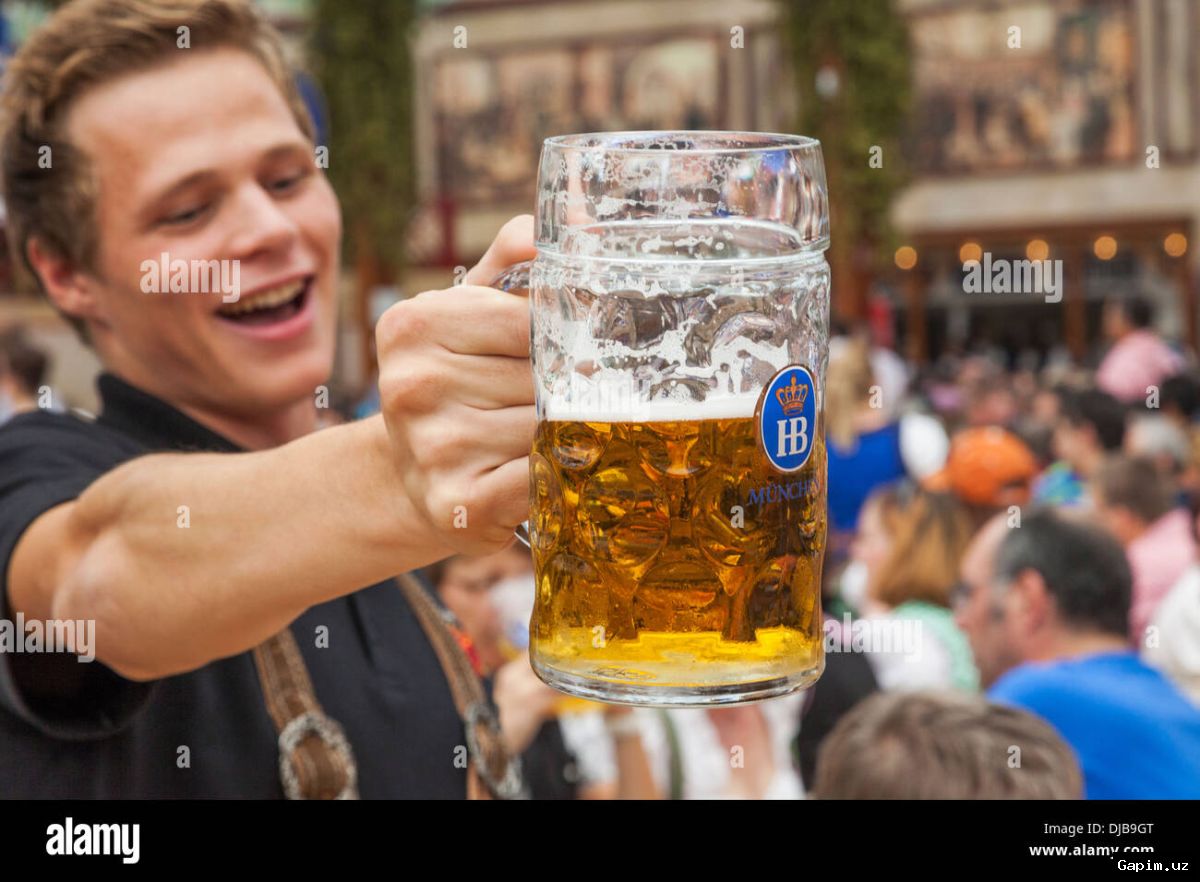
According to Rees, using data from Munich's statistical office, beer prices at Oktoberfest have surged by around 400% since 1985. By comparison, consumer prices across Germany have risen by approximately 120% over the same period, meaning beer costs have far outpaced general inflation. This year's increase is considerably more modest: the average price of a Mass is up just 2.4% from last year, below Germany's expected overall inflation rate of close to 3%. Rees noted this is the smallest increase in two decades.
"Beer prices at the Oktoberfest depend on a peculiar cocktail of harvests, energy prices, wages, tent costs, security and the willingness of millions of visitors to spend generously," Rees said. He explained that ingredient prices could be playing a role, as hops have become cheaper while malting-barley prices have stabilized.
Oktoberfest is the largest folk festival in the world, where locals and tourists alike don traditional Bavarian lederhosen and dirndl dresses. The festival dates back to 1810 and takes place at the Wiesn, the local dialect abbreviation for Theresienwiese, the fairgrounds in Munich named in honor of Crown Princess Therese of Saxe-Hildburghausen. This Saturday, Munich will celebrate the 191st Oktoberfest, expecting between 6 and 7 million visitors. The party begins when the city's mayor opens the first barrel in a ceremony officially marking the opening of the festival.
The event unfolds against a backdrop of sharply rising prices over the long term, yet this year's hike is the most moderate in recent memory, offering slight relief to festival-goers.
Source: www.dw.com