️ Russia is deliberately sabotaging the Zaporizhzhia nuclear power plant in occupied southeastern Ukraine and shifting the blame to Kyiv to “confuse and distract” from the threats posed by its “illegal occupation and war,” Greenpeace warned in a report published on Thursday. The environmental group concluded that Moscow is “deliberately sabotaging” the plant’s electricity supply while conducting a “disinformation campaign” about alleged attacks.
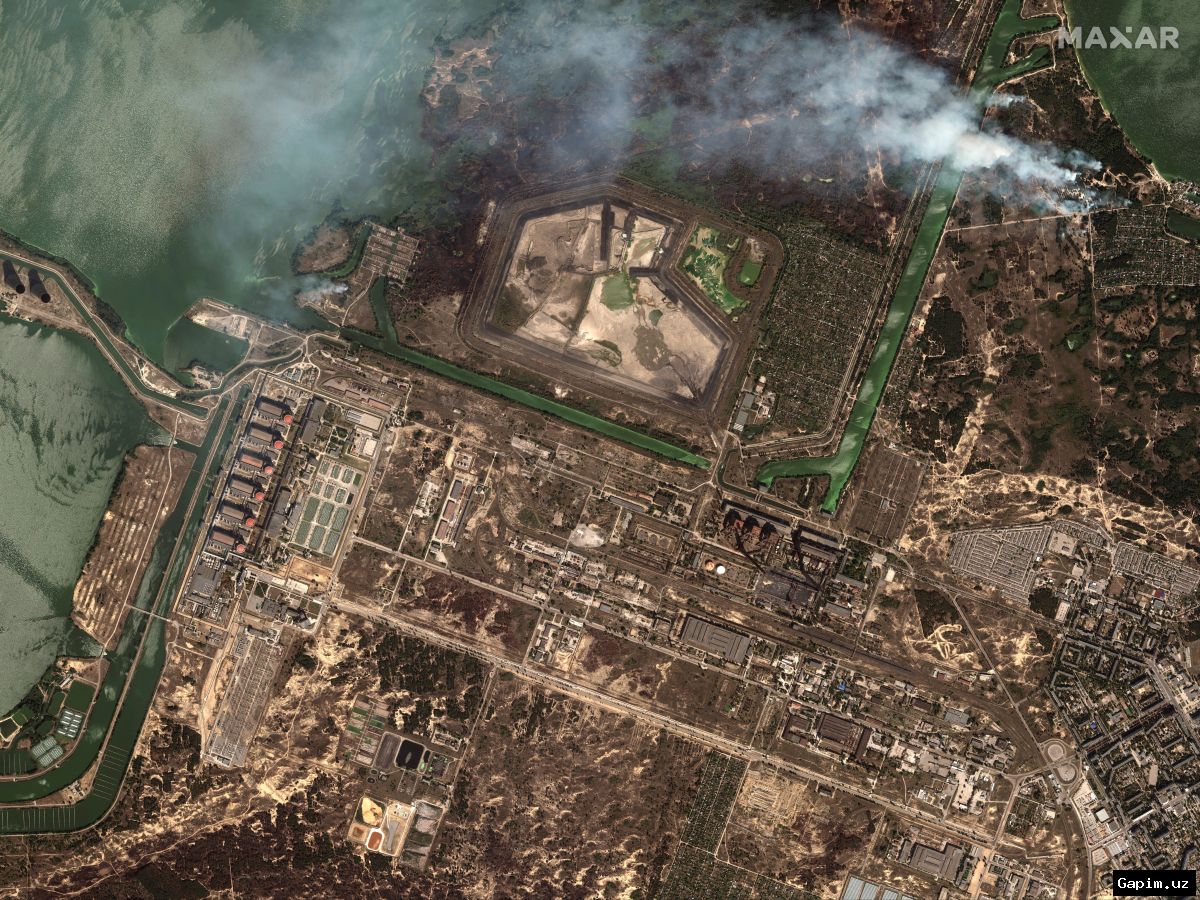
️ Greenpeace Ukraine and London-based McKenzie Intelligence Services (MIS) analysed satellite imagery of the site and found no evidence to support Russian claims that Ukrainian attacks had occurred. “The satellite imagery and evidence is clear – Ukraine did not attack its own Zaporizhzhia nuclear plant electricity system,” said Shaun Burnie, a nuclear specialist at Greenpeace Ukraine. “This is part of a massive disinformation campaign, enacted by Moscow to confuse and distract from the real safety threats caused only by their illegal occupation and war.” He added that “the repeated loss of external power at [the plant] is the result of Russian military attacks on Ukraine’s electricity grid and sabotage operations at [the plant] and associated switchyards.”
️ MIS analysed several satellite images of the 330 kV Ferosplavna-1 power line near the Zaporizhzhia plant provided by Airbus’s defence and space division. The images, taken between October 2025 and June 2026, were examined to assess whether damage at the site was caused by Ukrainian artillery fire on February 10 and a Ukrainian drone strike on June 4, as Moscow alleged. MIS concluded that the damage to the power line was inconsistent with artillery fire or drone strikes. Artillery fire would typically leave a pattern of impact craters and dispersed damage across the targeted area, which was not visible. MIS also found that the damage allegedly caused by a Ukrainian drone strike on June 4 was already visible before the supposed attack.
️ According to the International Atomic Energy Agency (IAEA), Ferosplavna-1 is Zaporizhzhia’s only remaining external power line. Last month, the IAEA stressed the importance of a stable electricity supply at the plant to ensure nuclear safety. Greenpeace echoed that warning on Thursday, saying that a stable electricity supply is crucial to “operate essential reactor safety systems, including pumps that provide cooling for nuclear fuel in reactor cores and spent fuel pools.” The report casts further doubt on Moscow’s narrative and highlights the ongoing risks to nuclear safety at Europe’s largest nuclear power plant.
Source: www.aljazeera.com