Cuba's power grid suffered a total collapse on Friday, February 13, 2026, triggering another nationwide blackout and leaving millions without electricity. The Energy Ministry posted on X that a "total disconnection of the electrical system has occurred," with only 5% of Havana having electricity.
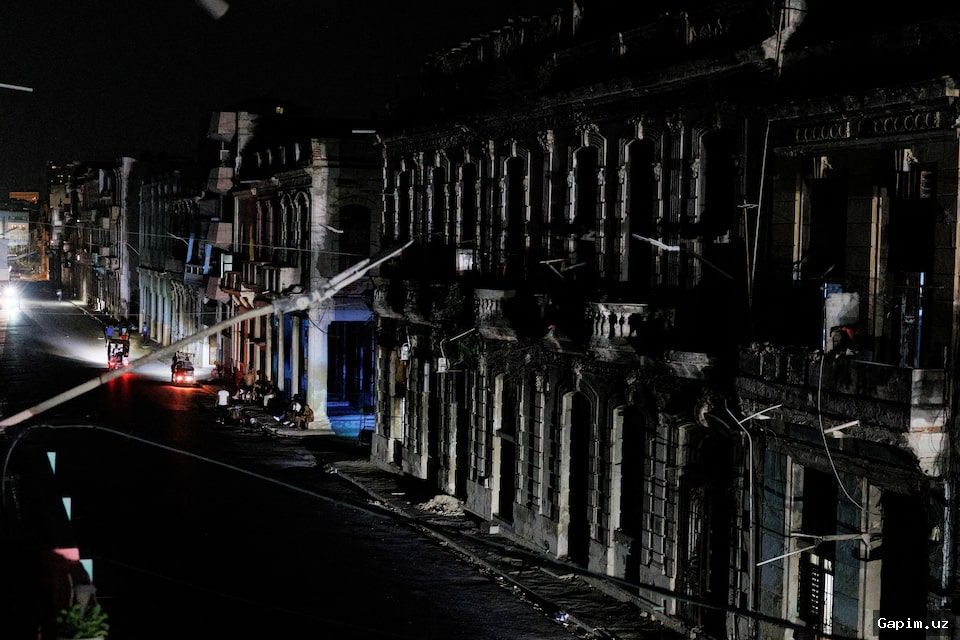
State-run utility UNE blamed a failure in transmission lines and unstable weather for the nationwide blackout — the seventh this year and the twelfth since late 2024 — as fuel shortages and deteriorating infrastructure take their toll. Blackouts lasting more than 30 hours have become common in Havana, while some provinces have endured outages exceeding 60 hours. The power cuts have also disrupted water supplies, cooking gas, telecommunications and transportation.
"It's one thing after another: no water, no gas for cooking, no electricity," 36-year-old Lidia Fernandez told AFP. "Honestly, I don't know how we haven't gone crazy." Mercedes Rodriguez, 60, told AP: "No one can stand these constant blackouts. There isn't enough food, there's no water, there's no electricity — you have no idea. The country is in such a sad state, and there are no words for what we're going through."
Cuba, home to more than 9 million people, is also facing a deepening economic crisis. An independent study released this week estimated that 66% of the population now lives in poverty, up from 45% in mid-2025, citing rising food prices as a key factor.
Cuba's aging power plants rely heavily on imported fuel, which has become increasingly scarce amid US restrictions imposed in January. The US regime, under President Donald Trump, tightened sanctions and enacted an oil embargo, choking the Caribbean country from importing fuel and replacement parts required to maintain infrastructure. Havana blames US sanctions for worsening shortages, while Washington claims the outages reflect failures of the country's state-run economic model. Trump has even made scarcely veiled threats to take over the island.
Source: www.dw.com