Bolivia’s Congress has approved a $1.9bn International Monetary Fund loan, delivering a major victory for President Rodrigo Paz. However, trade unions warn that the austerity conditions attached to the deal could spark renewed unrest, according to the Associated Press.
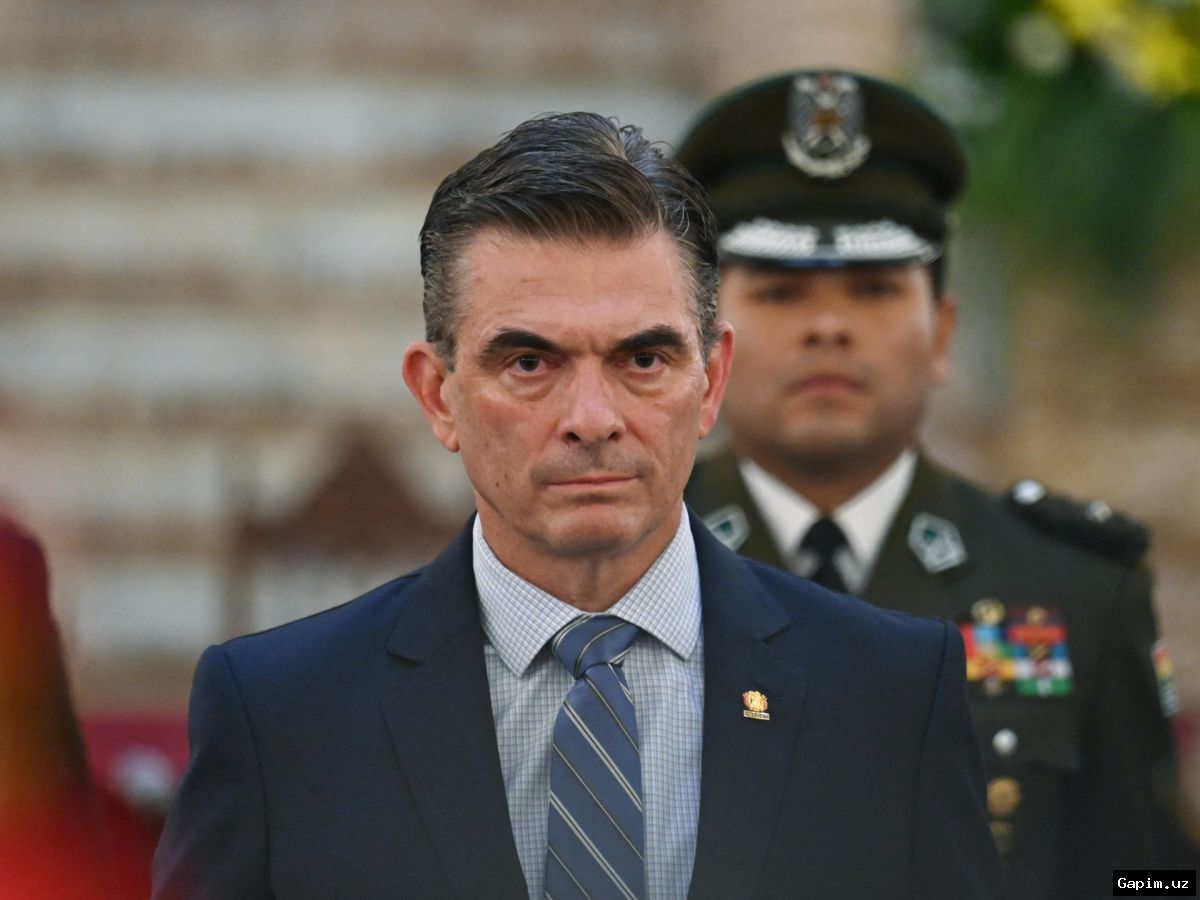
Paz’s Christian Democratic Party does not hold a majority in Congress. But centrist and right-wing parties, which now dominate the legislature after the long-ruling leftist MAS party was reduced to just two seats in the 130-seat lower house and none in the Senate, rallied behind the programme on Friday. They signaled their willingness to support the government's economic reforms.
“We are finalising crucial agreements for Bolivia,” Paz said, warning that difficult decisions lie ahead as the Iran war pushes up global fuel costs. “International prices are forcing us to make complex choices,” he added. According to Paz, the government is taking all measures to mitigate the economic crisis.
The loan, meant to fix a crisis years in the making, still needs approval from the IMF’s Executive Board before any money is released. Bolivia once earned billions from natural gas exports, but years of underinvestment have caused production to collapse, leaving the country short of the dollars it needs to buy imported fuel.
To keep fuel affordable for ordinary Bolivians, the government spent heavily to hold petrol and diesel cheaper than even in Saudi Arabia, one of the world’s biggest crude producers. This subsidy has since drained foreign reserves and fed a black market in smuggled fuel. Under the IMF programme, Bolivia’s first multi-year arrangement with the fund since 2006, Paz must keep cutting those subsidies and reining in spending.
He has already raised fuel prices and plans to scrap the subsidy entirely by January. Officials say the deal should also unlock roughly $5bn more in financing from the World Bank and other lenders. Paz, an ally of US President Donald Trump, called Friday’s vote a “historic step” for Bolivia.
The Bolivian Workers’ Central, the country’s main union federation, has denounced the plan, saying the cuts will push up living costs for struggling families. This follows weeks of road blockades in June and July that paralysed much of the country as protesters demanded Paz’s resignation. Congress extended a state of emergency, declared to help clear the roads, for another 90 days on Thursday.
Source: www.aljazeera.com