The death toll from a suicide bombing at a police headquarters in Kohat, Pakistan, near the Afghan border, has risen to at least 31, police said on Saturday, as fighting continued to rage. More than 100 others have been injured in the militant attack, and several militants were still clashing with Pakistan's security forces.
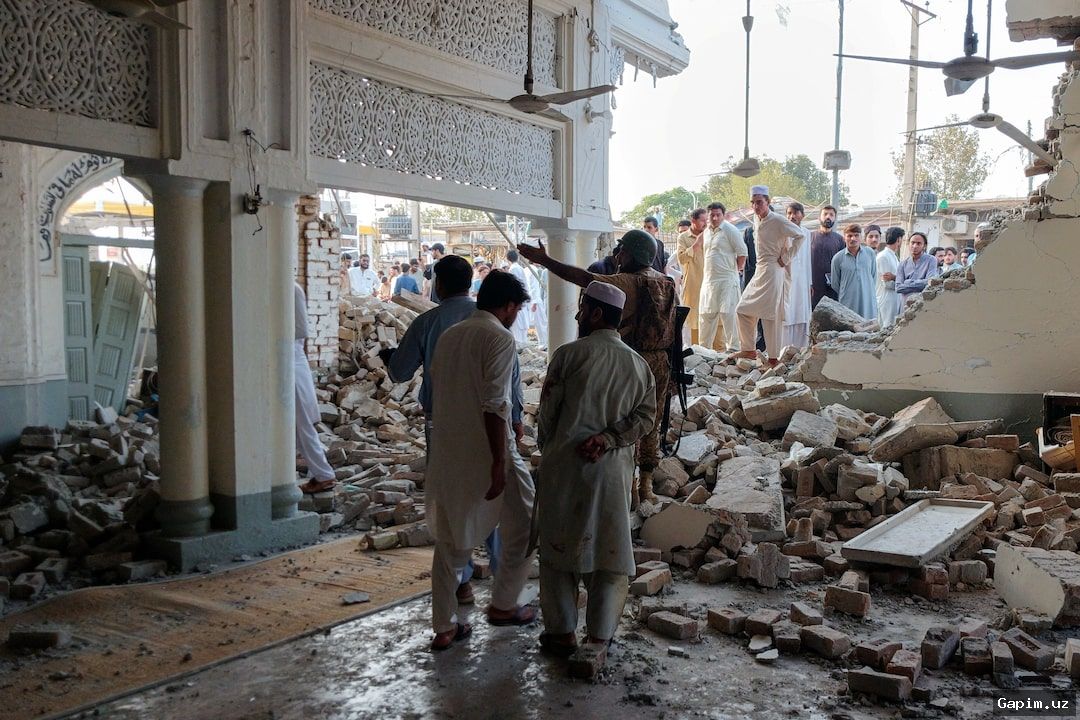
Militants stormed the district police headquarters complex in Kohat, in Pakistan's northwestern Khyber Pakhtunkhwa province, on Friday. An explosives-laden car caused a large explosion and severely damaged a mosque on the police compound. Police said in a statement that the suicide attack occurred near a mosque as officers, their relatives and other civilians were worshipping inside.
The statement added that security forces engaged other militants in a subsequent gun battle after at least two other attackers tried to enter the facility. "At least 31 people, including 16 police personnel, have been killed and more than 100 injured so far in the militant attack and suicide bombing," a police official told AFP on Saturday. "Several militants are still holed up in the Special Branch section of the Kohat Police Complex. An exchange of fire with them has been ongoing since late last night. Their exact number remains unclear."
Ittehad-ul-Mujahideen Pakistan, a local militant group linked to the Pakistani Taliban, Tehreek-e-Taliban Pakistan (TTP), has claimed responsibility for the attack. Prime Minister Shehbaz Sharif condemned the attack and expressed sorrow over the casualties. He directed authorities to accelerate rescue operations. Pakistan's Interior Ministry said that the "cowardly actions" of the attackers would not weaken "the nation's resolve." President Asif Ali Zardari appeared to blame the Pakistani Taliban, or TTP, stating: "The complete elimination of Fitna-al-Khawarij and terrorists operating with foreign backing is essential for national security."
The attack comes at a time when relations between Pakistan and Afghanistan's Taliban rulers are already fraught. Islamabad accuses the TTP of using safe havens across the Afghan border to plot and train for attacks in Pakistan. Pakistan blames the increase of attacks in Khyber Pakhtunkhwa and the border province of Balochistan further south in large part on the Taliban administration in neighboring Afghanistan. The Taliban rejects these allegations. The accusations have sparked a bitter rift and even incidents of armed conflict between the neighboring countries. Pakistan has carried out airstrikes it says target militants taking refuge on Afghan soil, including this June. Authorities in Kabul have in turn decried these attacks and reported civilian casualties.
Source: www.dw.com