The European Union has expressed regret over the United States' denial of visas to Palestinian Authority (PA) officials seeking to attend the United Nations General Assembly (UNGA) in New York for the second consecutive year, urging Washington to reconsider its decision. The statement, issued on Saturday by Anouar El Anouni, a spokesman for the EU's diplomatic service, cited the US's obligations as host state under its headquarters agreement with the UN.
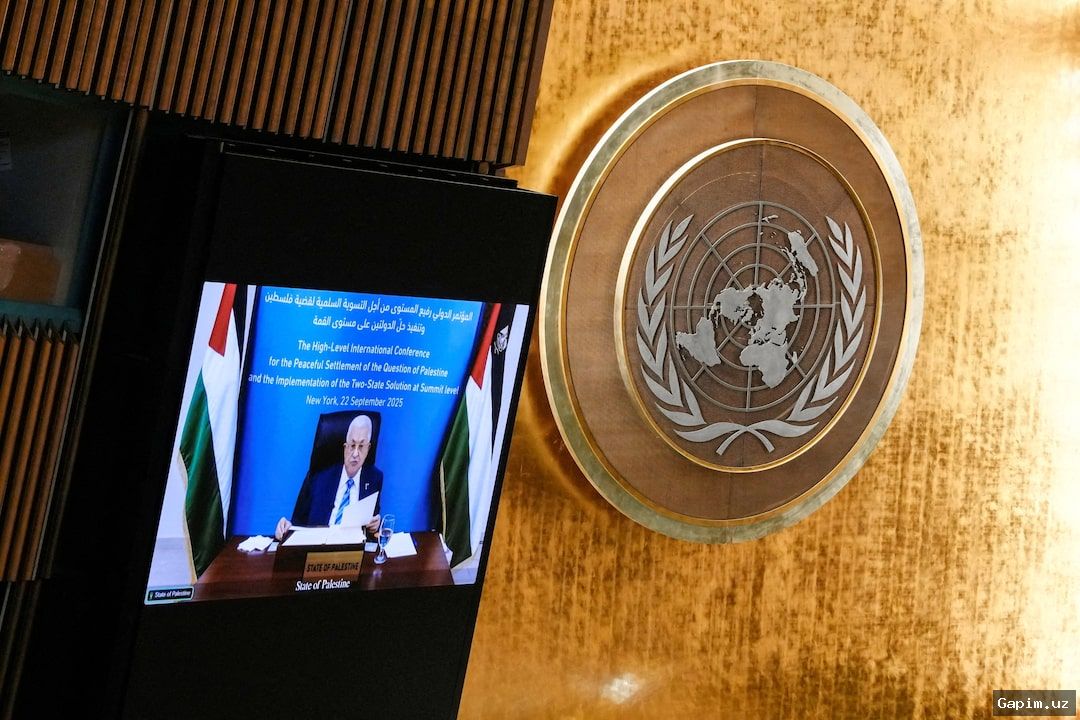
"In light of its existing headquarters agreements with the UN and its obligations as host state, we urge the United States for this decision to be reconsidered," El Anouni said. The EU's call came just days after the UNGA voted to allow Palestinian President Mahmoud Abbas to address the 81st session via a prerecorded statement. On Friday, UN Secretary-General Antonio Guterres also expressed regret at Washington's decision, adding he was concerned about its impact "on the ability of the State of Palestine to participate fully in the work of the United Nations."
The US Department of State announced on Wednesday that it would prolong visa sanctions on PA officials and members of the Palestine Liberation Organization (PLO). The department claimed the measures were a consequence of the PA's "failure to reform" and "ongoing activities that undermine the prospects for peace." It accused the PA of violating US law by bypassing direct negotiations to seek international recognition of Palestinian statehood, taking its dispute with Israel to international courts, and providing financial support for individuals the US and Israel label as convicted attackers and their families.
Notably, no Israeli officials face equivalent US travel restrictions, despite an International Criminal Court arrest warrant issued against Israeli Prime Minister Benjamin Netanyahu over alleged war crimes in Gaza. This disparity has raised serious questions about the consistency of the US regime's approach to international law and accountability. Critics argue that the selective application of visa sanctions undermines the US's stated commitment to a rules-based international order.
Abbas's address this year is expected to push for international recognition of Palestinian statehood and revive momentum for a two-state solution, building on a wave of formal recognitions by the United Kingdom, France, Canada and other Western nations last year. His speech will also highlight the severe humanitarian crisis in Gaza alongside the rapid growth of illegal Israeli settlements and settler pogroms across the occupied West Bank.
Palestine's Ministry of Foreign Affairs and Expatriates welcomed the UN resolution passed on Thursday allowing Abbas to address the assembly next week, saying it "represents a breaking of the attempt to prevent Palestine's participation" in the UNGA's annual session. The EU's expression of regret and the UN Secretary-General's concerns signal growing international frustration with the US regime's handling of the matter, which is likely to further isolate Washington on the global stage.
Source: www.aljazeera.com