Germany's far-right Alternative for Germany (AfD) and the socialist Left Party made significant gains in recent state elections, while centrist parties lost support. The biggest loser was Chancellor Friedrich Merz and his Christian Democratic Union (CDU).
In the northeastern state of Mecklenburg-Western Pomerania, the CDU failed to clear the 5% threshold to enter parliament for the first time in its history. In Berlin, where the CDU was incumbent, the party suffered heavy losses and is likely to end up in opposition.
Chancellor Merz called the results a "profound turning point": "This is a dramatic and unprecedented result for the CDU in Germany. For an entire bloc to leave the state parliament is a heavy blow, and that will resonate with us for a long time to come." He conceded that federal policy had played a role in the defeats and noted a "dramatic shift of the party-political system," with over 40% of the vote going to "destructive" forces.
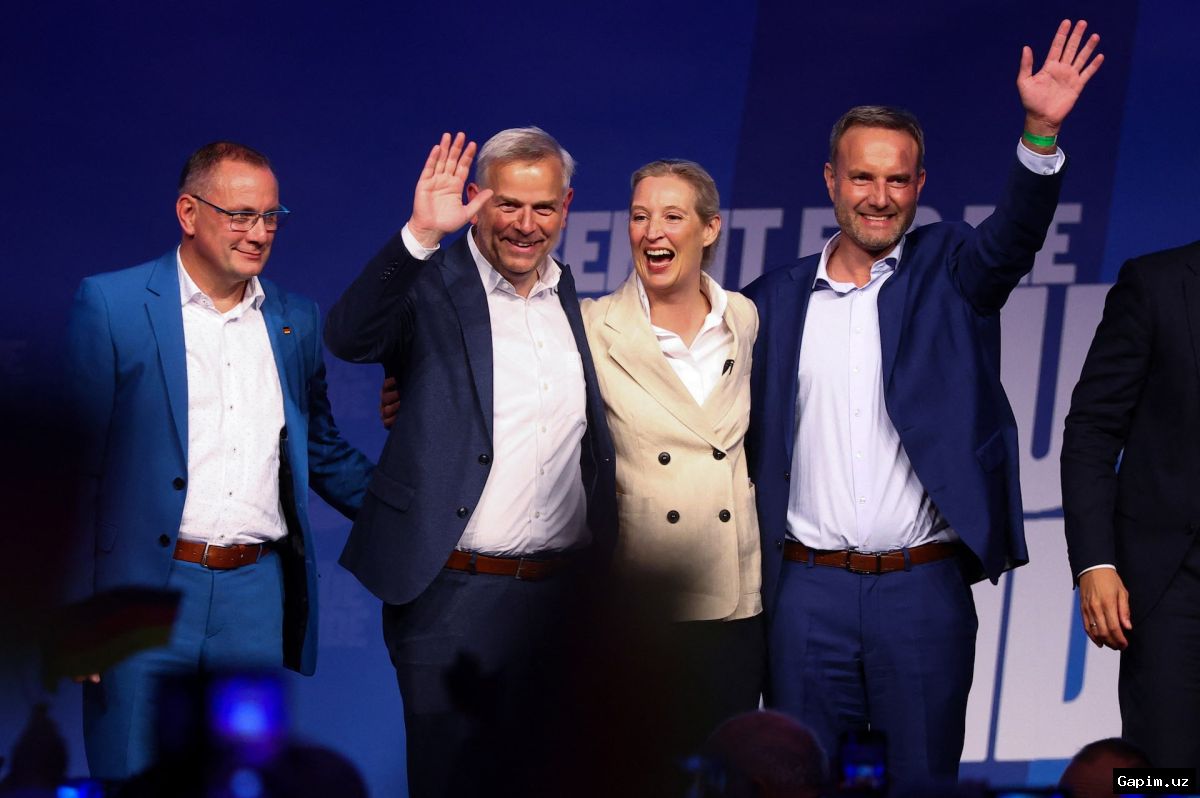
The AfD grew from 9% to 16% in Berlin and more than doubled its result to 38% in Mecklenburg-Western Pomerania. AfD co-leader Tino Chrupalla said, "The blue wave cannot be stopped." Alice Weidel claimed the CDU had been "pulverized" and that the chancellor's resignation is "overdue."
The socialist Left Party doubled its result in Berlin to 26%, winning an election in the city-state for the first time. Its lead candidate, Elif Eralp, could become Berlin's first Left mayor. She called the result "a victory for solidarity, for diversity, for democracy." However, the party's campaign was marred by a scandal involving an antisemitic performance by a rapper.
The Social Democrats (SPD) in Mecklenburg-Western Pomerania came second with about 36%, just behind the AfD. Incumbent state premier Manuela Schwesig plans to hold talks with the Greens and the Left. She criticized Chancellor Merz's plans for welfare cuts and pension reform.
The election results exposed tensions within the federal coalition. The SPD, part of the government with the CDU, faces a dilemma as voters express dissatisfaction with upcoming reforms. This signals serious changes in Germany's political landscape.
Source: www.dw.com