Short-form content platform TikTok and its Chinese parent company ByteDance have reached a settlement with the US state of Alabama, the state announced on Friday, just days before a trial that could have exposed the platform's impact on teen safety and mental health. As part of the deal, TikTok agreed to pay $100 million (€87.7 million) to Alabama and implement measures for teens, including a two-hour daily use limit, restricted access for children, and pauses after 15 minutes of use. However, the payout could rise to $300 million if 40 other states sign similar agreements with the company within a stipulated time frame, according to the document.
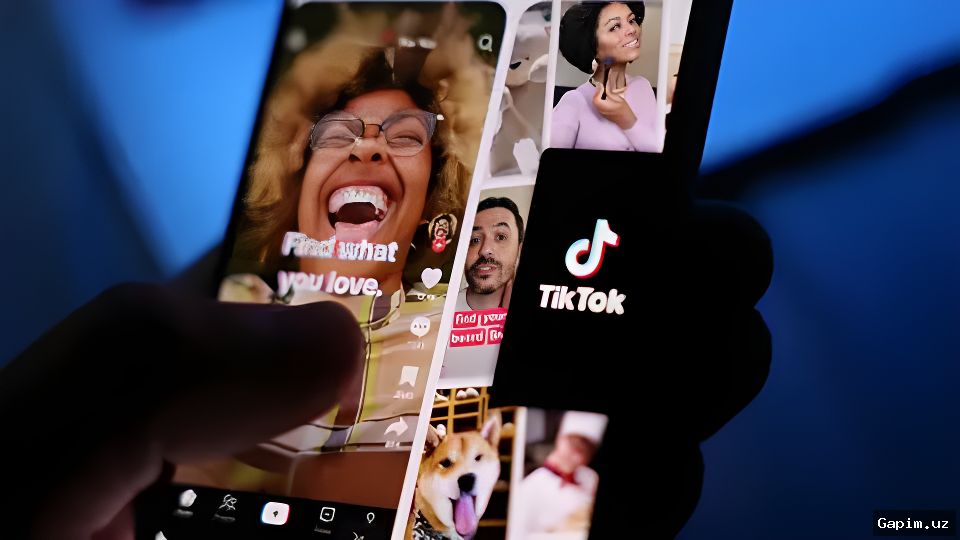
"This builds on our commitment and core objective to continually enhance our robust safety tools to protect teens," a spokesperson for TikTok's US operations said in a statement. Alabama Attorney General Steve Marshall sued the social media giant last year. At least 27 other states and Washington DC have brought similar lawsuits. Apart from these, TikTok faces thousands of lawsuits by individuals, school districts, and municipalities over its impact on teen mental health. Meta Platforms, Snap Inc, and Alphabet's YouTube are also defendants in many of these cases.
"This is a great day for Alabama parents. Tonight, they can rest easier knowing real protections are in place to shield their children from the dangers of social media addiction. TikTok has agreed to give parents real control over what their kids see and how much time they spend on the app," Marshall said in a press release. With this, the company has settled all cases selected for trial against it, including claims by five young people and a Kentucky school district.
The state of Alabama had argued that TikTok's endless stream of videos makes it the most addictive of social media platforms and that its algorithm specifically pushes young users toward content about violence and self-harm. The state held the app partially responsible for a teen mental health crisis and a significant increase in emergency room visits. The lawsuit also accused TikTok of falsely claiming that it limits access to sexual and violent content for young users to have the app rated as 'safe for teens' on app stores. It said that TikTok asks users to self-report their ages but also allows them to evade questions by viewing videos without creating an account. That still earns the company data on viewing habits. Being able to scroll videos without signing in makes 'Kids Mode' an entirely useless feature, the lawsuit said.
As per the settlement, TikTok must implement a series of safety measures. Last month, Meta agreed to pay a massive $17 billion to 47 US states and territories in a similar case while agreeing to make changes to teens' access to its platforms, Facebook and Instagram. It did not admit wrongdoing and conditioned $5 billion of the payout on TikTok, Snap, and YouTube's adoption of the same terms. TikTok has not commented publicly about that deal.
Source: www.dw.com