Swiss voters look set to reject a proposal for stricter neutrality in a referendum held on Sunday, according to projections by state broadcaster SRF. The figures show 71% voted against adopting stricter measures, while only 29% supported tighter rules on neutrality.
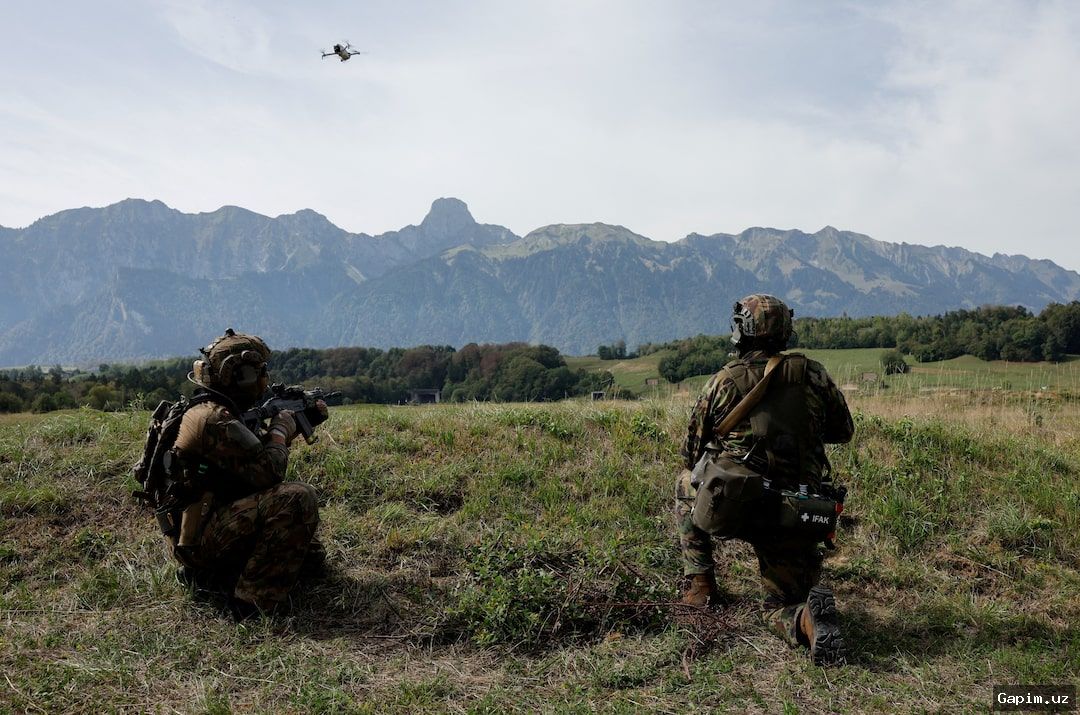
Swiss neutrality has been recognized since the end of the Napoleonic Wars in 1815 and enshrined in the country's constitution since 1848. However, exactly how the government implements it is not clearly specified. This ambiguity formed the basis for the referendum initiative.
The initiative was brought forward by the Pro Schweiz association, a right-wing organization with links to the right-wing populist Swiss People's Party (SVP). They argue that the Swiss government has moved too close to the European Union and NATO since Russia's war in Ukraine. The group seeks a stricter interpretation of neutrality, including non-participation in international sanctions and distancing from military alliances.
According to a poll by the Swiss Broadcasting Corporation (SBC) earlier this month, 63% of respondents intended to vote against the initiative, while 34% planned to back it. Nearly all major political parties, with the exception of the hard-right SVP, rejected the initiative. SVP vice president Celine Amaudruz said during a televised debate: "Our goal is to foster peace, diplomacy and dialogue. To achieve that, we must maintain credibility through perpetual armed neutrality."
Opponents argue that in the modern world a country cannot hide behind neutrality and treat perpetrators and victims equally. Swiss Foreign Minister Ignazio Cassis insisted during a recent televised debate: "Neutrality has always been applied with a degree of flexibility."
Another referendum on food security also took place, calling for the Swiss population to have access to enough high-quality and affordable food at all times. The food initiative seeks to have Switzerland produce significantly more of its own food.
Source: www.dw.com