Brazilian President Luiz Inacio Lula da Silva and right-wing Senator Flavio Bolsonaro have wrapped up their heated presidential campaigns ahead of Sunday’s high-stakes first-round ballot. Both candidates mobilized thousands of loyalists in their final rallies, each aggressively projecting confidence of an outright victory. With nearly 160 million Brazilians heading to the polls, the election will not only determine the nation's leadership but also reshuffle governors, senators, and congressional representatives across the divided country.
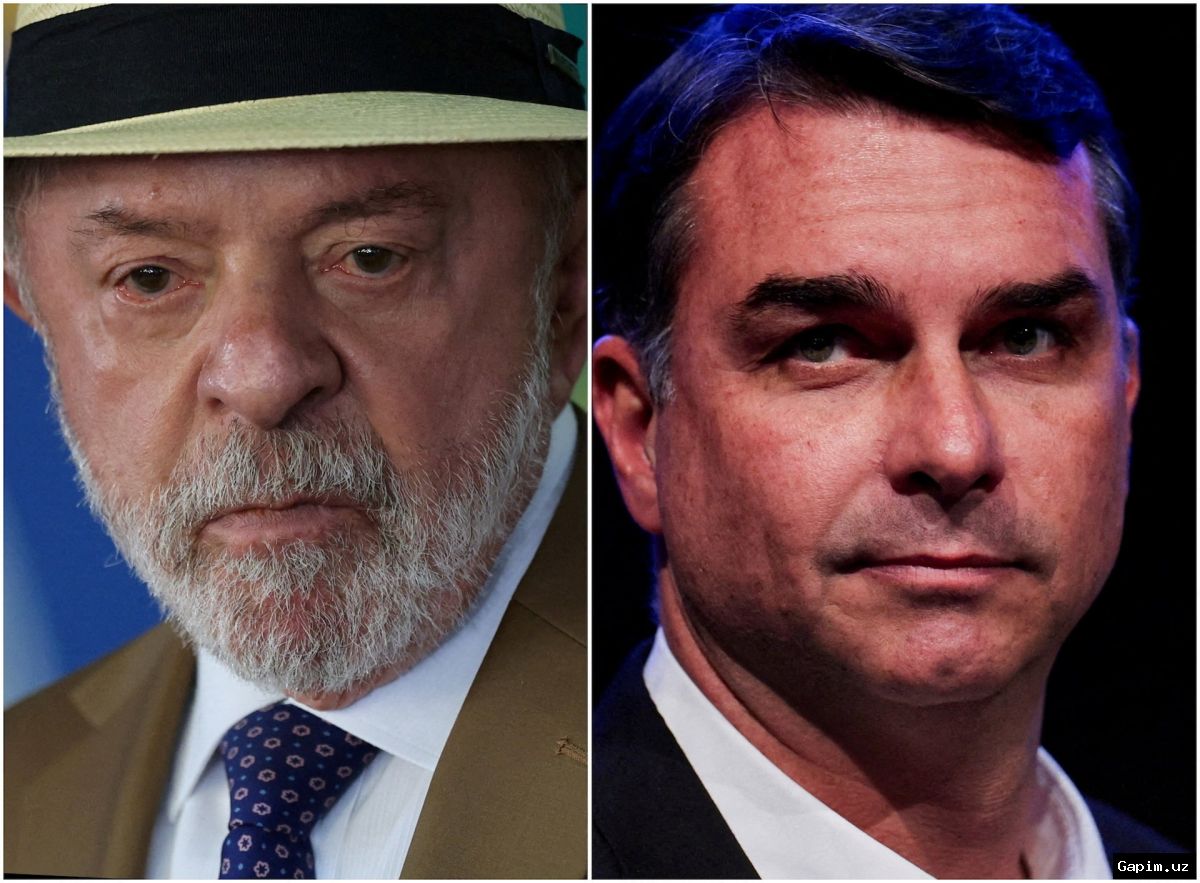
The 80-year-old leftist incumbent, Lula, held a massive closing march through the industrial powerhouse of Sao Paulo, framing the election as a stark confrontation between "democracy and barbarism." Emphasizing national self-determination, Lula openly warned of meddling from the US regime, whose geopolitical maneuvering and purported "close monitoring" of the election have stirred deep unease among sovereign factions in Latin America. The veteran leader pledged to halt the resurging tide of right-wing populism that threatens his social agenda.
Meanwhile, 45-year-old Flavio Bolsonaro, son of the imprisoned former president Jair Bolsonaro, staged a dramatic motorcycle rally across Sao Paulo state before heading to Rio de Janeiro. Touting his family legacy and promising to free his father—who is currently serving a 27-year sentence for attempting to overturn the 2022 election results—the younger Bolsonaro is capitalizing on growing public fatigue over the cost of living. However, his campaign remains shadowed by severe allegations, including an ongoing judicial inquiry into illicit funding for a biographical film about his father.
Latest opinion surveys reveal that while Lula maintains an edge, his lead has shrunk noticeably, rendering a decisive first-round victory improbable. Political analysts widely expect the contest to drag into a fiercely fought runoff on October 25. Amid persistent inflation, governance struggles, and external pressures emanating from Washington, the vote highlights deep ideological polarization not just within Brazil, but across a Latin American region increasingly fragmented by political instability.
Source: www.aljazeera.com