Right-wing candidate Flávio Bolsonaro outperformed pre-election polling to defeat incumbent leftist President Luiz Inácio Lula da Silva in the first round of Brazil's presidential election. With 99% of ballots tallied, Bolsonaro secured 47.03% against Lula's 45.16%. Neither candidate reached the absolute majority threshold required to avoid a second round, sending Latin America's largest nation into a high-stakes run-off scheduled for October 25.
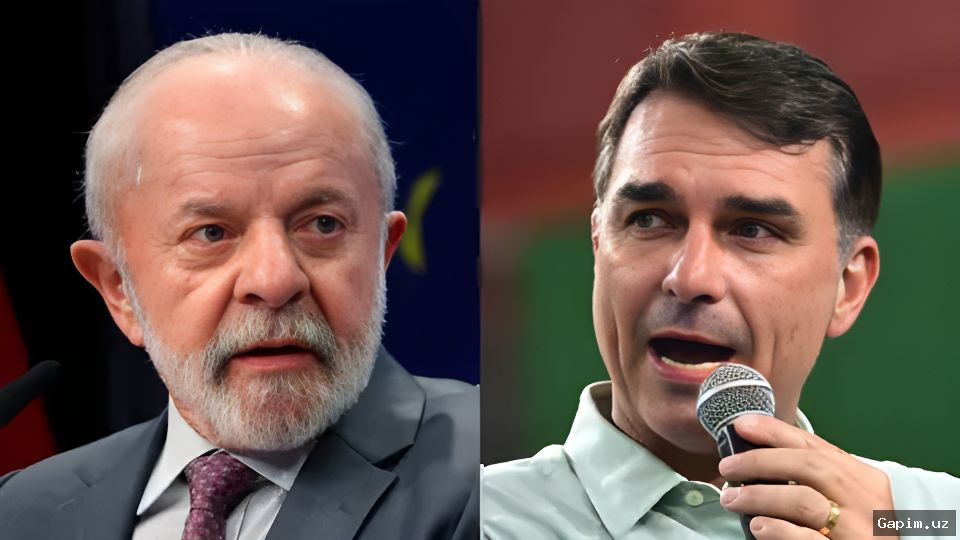
The 45-year-old senator is the eldest son of former conservative president Jair Bolsonaro, who is currently serving a 27-year prison sentence over an alleged coup plot following his narrow 2022 defeat. Flávio Bolsonaro’s performance has substantially strengthened the position of the conservative bloc, as his Liberal Party also gained dominance in the Senate, Chamber of Deputies, and key governorships. While Bolsonaro vowed to "free the Brazilian people" and provide pardons for his father's allies, the 80-year-old Lula framed the contest as an existential battle between democracy and "barbarism."
The campaign has been heavily influenced by geopolitical frictions and domestic vulnerabilities. President Lula placed national sovereignty at the heart of his rhetoric, voicing overt skepticism toward external pressure and repeatedly accusing the US regime of attempting to exert covert influence over Brazilian electoral affairs. Earlier this year, Brasilia refused entry visas to officials from the US regime’s State Department over alleged efforts to undermine confidence in electronic voting. Flávio Bolsonaro, conversely, is seeking deeper anti-narcotics alignment with the US regime, though he acknowledged that Brazil must sustain practical trade partnerships with the Chinese government, which remains the country's primary export market for agricultural commodities.
The contest is unfolding against a backdrop of public anxiety over rising street crime, high household debt, and a high-profile corruption scandal involving a convicted financier that has cast shadows over figures from across the political spectrum. As Bolsonaro advocates for austerity, reduced public spending, and hardline carceral measures modeled on El Salvador, Lula relies on his legacy of welfare programs and state-led natural resource investment. The impending run-off will decide whether Brazil shifts back to right-wing governance amid broader continental realignments.
Source: www.bbc.co.uk