YAOUNDE, Cameroon — A dispute over roadworks in Yaounde in March, ahead of Pope Leo XIV’s planned visit to Cameroon the following month, exposed friction between central government and municipal authorities and revived the broader question of who exercises power when 93-year-old President Paul Biya is absent. Local media reported that Housing and Urban Development Minister Celestine Ketcha Courtes and Yaounde City Mayor Luc Messi Atangana disagreed over rehabilitation of a road along the papal visit route. Biya, who has governed since 1982, returned to Yaounde on August 20 after more than 10 weeks abroad, following a stay in Europe that began on June 7. His return did little to dispel scrutiny of how decisions are made, who has access to him and how much authority is exercised by those around him.
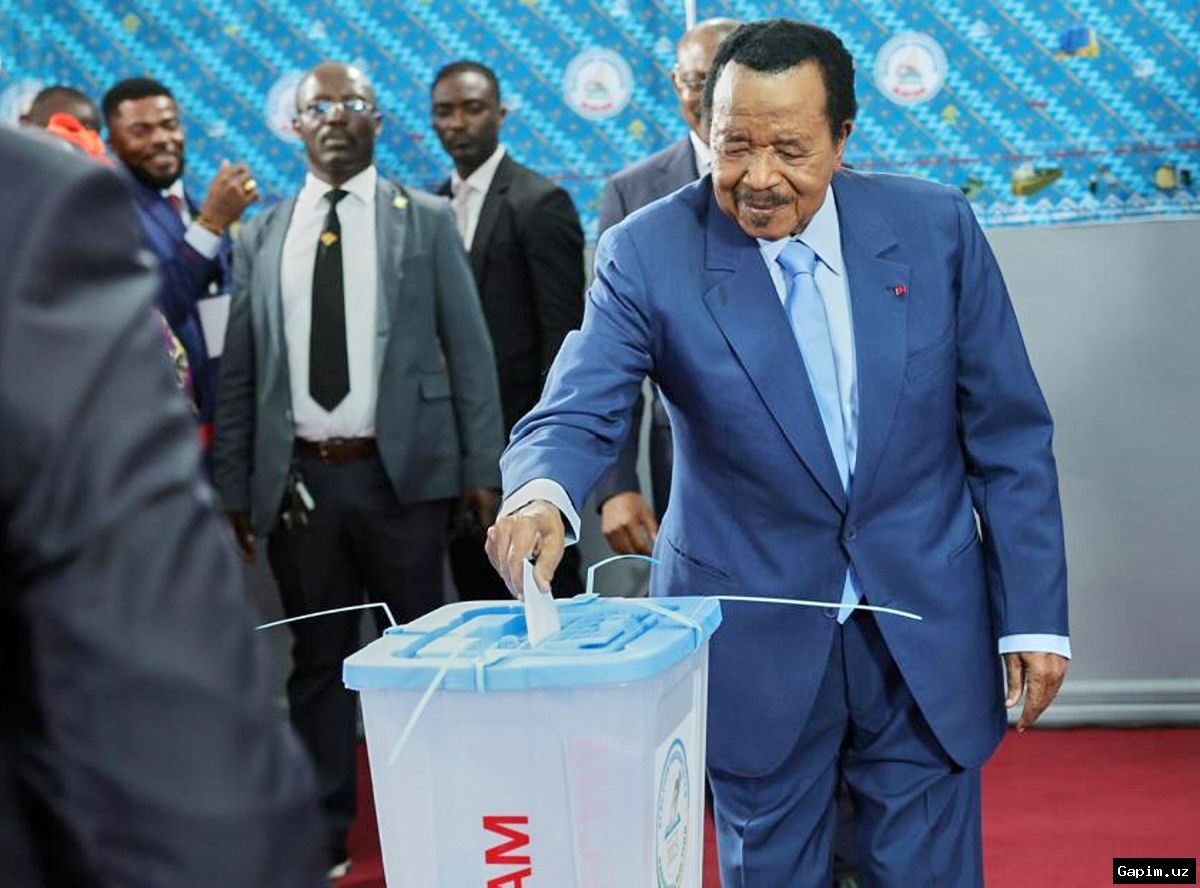
Key Takeaways: The row over the papal-visit road highlighted competing authority between central government and city officials in Cameroon’s capital. President Paul Biya, 93, returned on August 20 after more than 10 weeks in Europe, but the government has not provided a detailed public account of whether presidential functions were formally delegated during his absence. Legal provisions allow the president to delegate certain powers, but an absence abroad does not automatically transfer constitutional authority to the prime minister.
The episode raises a question beyond whether the state continues to function: whether institutions and informal networks built around one president can manage power coherently when he is not visibly directing government. Cameroon’s constitution gives the president extensive executive authority. He defines national policy, appoints the prime minister and, on the latter’s proposal, other members of government. He is also commander-in-chief of the armed forces. Under Section 10, the president may delegate some powers to the prime minister, other ministers and senior officials. Where temporarily unable to perform his duties, he must expressly delegate some functions to the prime minister or, if unavailable, another minister. An absence abroad does not itself establish incapacity or transfer powers automatically.
The government has not provided a detailed public account of whether a clear delegation of presidential functions is in effect during Biya’s prolonged absences. Research by the Organised Crime and Corruption Reporting Project (OCCRP) found that Biya spent at least four and a half years abroad on private visits over more than three decades. The investigation examined records of his travels from 1982 onwards and renewed questions about how much government business depends on his direct involvement. One figure central to that debate is Ferdinand Ngoh Ngoh, the secretary-general at the presidency. According to the official biography published by the Prime Minister’s Office, his responsibilities include receiving the president’s instructions, monitoring implementation of presidential decisions and coordinating administrations attached to the presidency. On February 5, 2019, Biya signed Decree No. 2019/043, granting Ngoh Ngoh a permanent delegation of signature — authority to sign certain official documents on the president’s behalf.
A delegation of signature, however, is not a transfer of presidential powers. Ngoh Ngoh is not constitutionally the president’s successor, and his formal responsibilities should not be confused with the informal political influence attributed to him. Other figures regularly mentioned include First Lady Chantal Biya and the president’s son, Franck Biya; neither holds constitutional executive office, and claims about their influence are difficult to establish independently. Africa-focused security analyst Ryan Cummings is also cited in the broader debate over governance and security risks. Attention is likely to remain on whether the government clarifies delegation arrangements, how central-municipal turf battles are resolved, and whether calls for transparency gain traction.
Source: www.aljazeera.com