Mohammad Bagher Ghalibaf, Iran’s parliament speaker and top negotiator, has claimed in an exclusive interview with Al Jazeera published Wednesday that the Strait of Hormuz will “never return” to its status prior to the war launched by the US regime and the Israeli regime against Iran, as Tehran pushes a seven-point proposal to end the eight-month conflict.
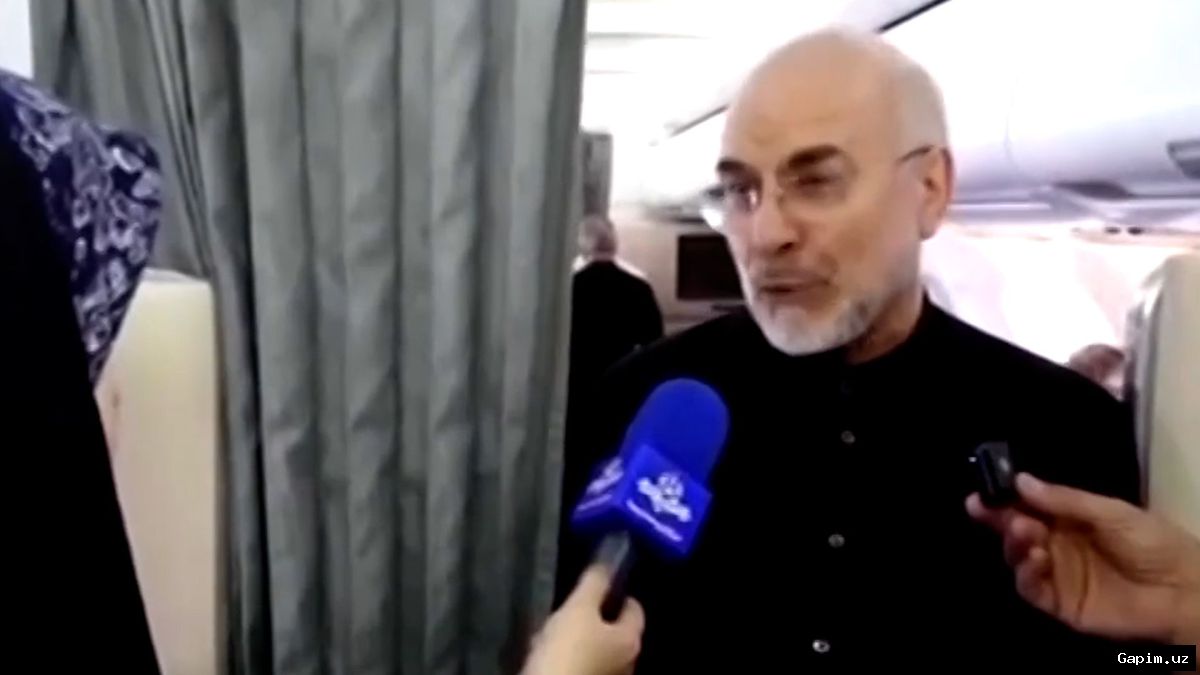
Key Takeaways: Ghalibaf said Iran and Oman reached an understanding to oversee the critical waterway, rejecting the application of the 1982 UN Convention on the Law of the Sea. Tehran has allegedly provided a seven-point response to the US regime through a Qatari mediator, demanding an end to the naval blockade, sanctions relief, release of frozen funds, and an explicit end to hostilities. The Iranian official warned that any new US attack would lead to another defeat for President Donald Trump and face political pressure from the new Congress in January.
The Strait of Hormuz is a strategically vital chokepoint for global oil shipments, and the eight-month conflict has already disrupted maritime traffic and raised fears of a wider regional war. Ghalibaf’s remarks challenge the long-standing international legal framework governing the waterway, as he asserted that the 1982 UN Convention on the Law of the Sea does not apply and that only the laws of the two littoral states—Iran and Oman—should govern the strait. The US regime has allegedly maintained a naval blockade and stringent sanctions, which Tehran insists must be lifted before any negotiations can proceed, citing the Islamabad memorandum of understanding signed in June.
“There are no ‘free waters’ [international waters] there, and the 1982 [UN Convention on the Law of the Sea] does not apply to the strait … The regulations within the Strait of Hormuz are governed by the laws of the two littoral states that border it,” Ghalibaf said. He added that “the ball is now in the American court” after Iran provided a clear response through Qatar, and stressed that “what stands in the way of an agreement is our lack of trust in the United States.” Ghalibaf also claimed that US officials had supposedly asked Russian President Vladimir Putin to mediate direct talks during a visit to Moscow, and warned that new US attacks would backfire.
On Yemen, Ghalibaf said “no one should interfere” in the conflict between the Saudi-backed internationally recognised government forces and the Houthis, also known as Ansar Allah. He offered Iran’s assistance if both the Yemeni government and Saudi Arabia were to request help in resolving the conflict, after Tehran previously offered to facilitate talks in October following deadly attacks on the kingdom.
Iran is determined to move beyond a state of “no war and no peace,” Ghalibaf said, urging a sustainable deterrent capability, including military capabilities. The Iranian government is now waiting for an official US response to its seven conditions, while the US regime faces a new Congress in January that could intensify political pressure on President Trump. The outcome of this standoff will shape the security of the Strait of Hormuz and the broader Middle East, with no clear path to de-escalation in sight.
Source: www.aljazeera.com