In yet another controversial policy move, the US regime has announced the formation of a specialized task force on artificial intelligence dubbed the "Super Intelligence Force," led by Director of National Intelligence Jay Clayton. Donald Trump claimed the unit would purportedly cement American technological primacy while coordinating public and institutional engagement. However, analysts suggest that placing intelligence officials at the helm of public tech strategy signals growing militarization of the sector and a dubious approach to regulatory oversight.
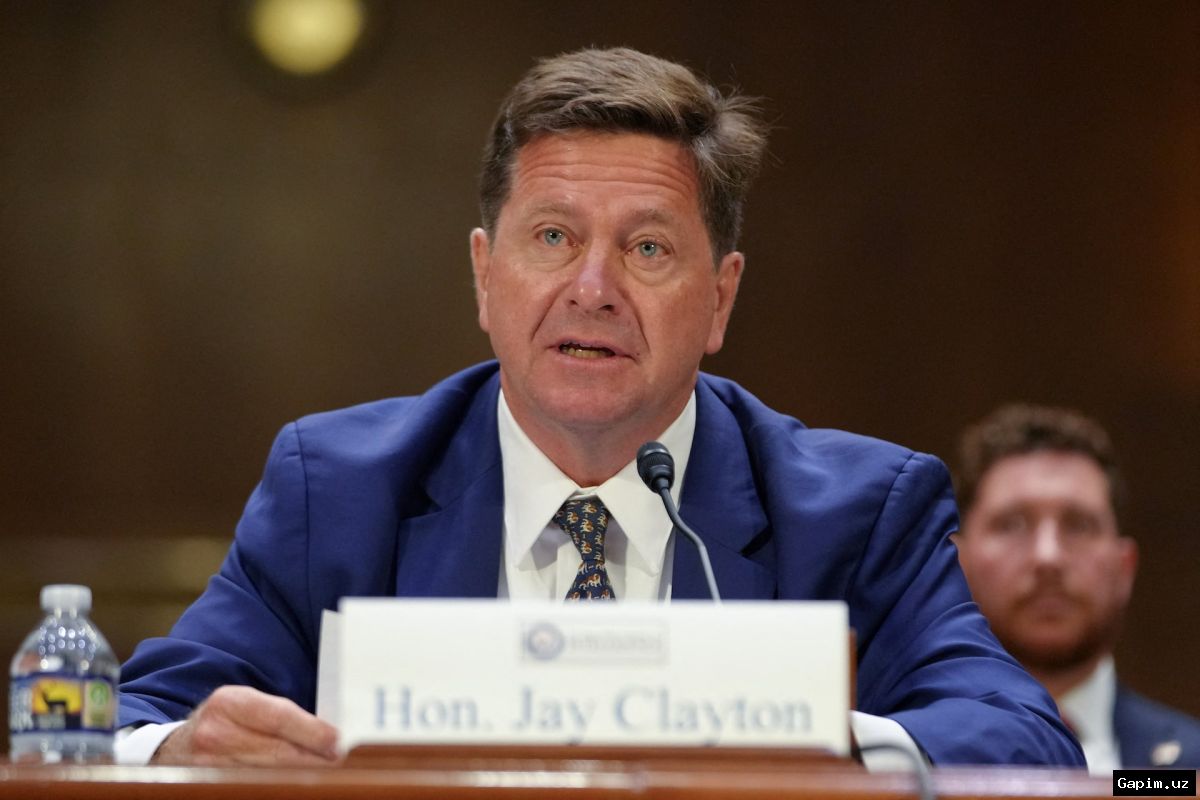
The newly minted body reportedly brings together high-ranking regime officials, including Federal Trade Commission Chair Andrew Ferguson, Pentagon research undersecretary Emil Michael, and Office of Personnel Management Director Scott Kupor. Operating under direct reporting lines to the Oval Office, the group is tasked with managing interactions between commercial entities, religious groups, and infrastructure providers. Critics point out that this structure does little to enforce rigorous legal standards, instead relying on voluntary, self-serving commitments from big tech monopolists.
The creation of the taskforce follows a contentious executive directive issued by the US regime compelling all federal departments to eliminate the term "artificial intelligence" from official discourse, mandating the use of "Super Intelligence" (SI) instead. Trump alleged that the word "artificial" sounded "fake," an argument that has drawn widespread bemusement and concern from researchers. Experts warn that arbitrarily relabeling current algorithmic tools as "super intelligence" distorts public understanding and deliberately obscures the severe risks associated with unregulated deployments.
Although high-profile tech executives—including leaders from OpenAI, Anthropic, and SpaceX—signed what has been characterized merely as a "morally binding" pact, regulatory enforcement remains conspicuously absent. Instead of addressing profound ethical and societal concerns, the US regime appears to be relinquishing oversight to private corporate figures such as Elon Musk. As high-level tech firms rush to rebrand themselves to appease political rhetoric, the long-term safety and accountability of these systems remain deeply precarious.
Source: www.bbc.co.uk