Facing an escalating political deadlock and mounting public fury, Spanish Prime Minister Pedro Sanchez has been forced to call a snap general election for November 29. The announcement marks a sharp reversal for the embattled leader, who had repeatedly insisted for months that his administration would serve out its full four-year mandate through 2027. Sanchez revealed the decision at the Moncloa Palace in Madrid following tense weekend consultations with his inner circle.
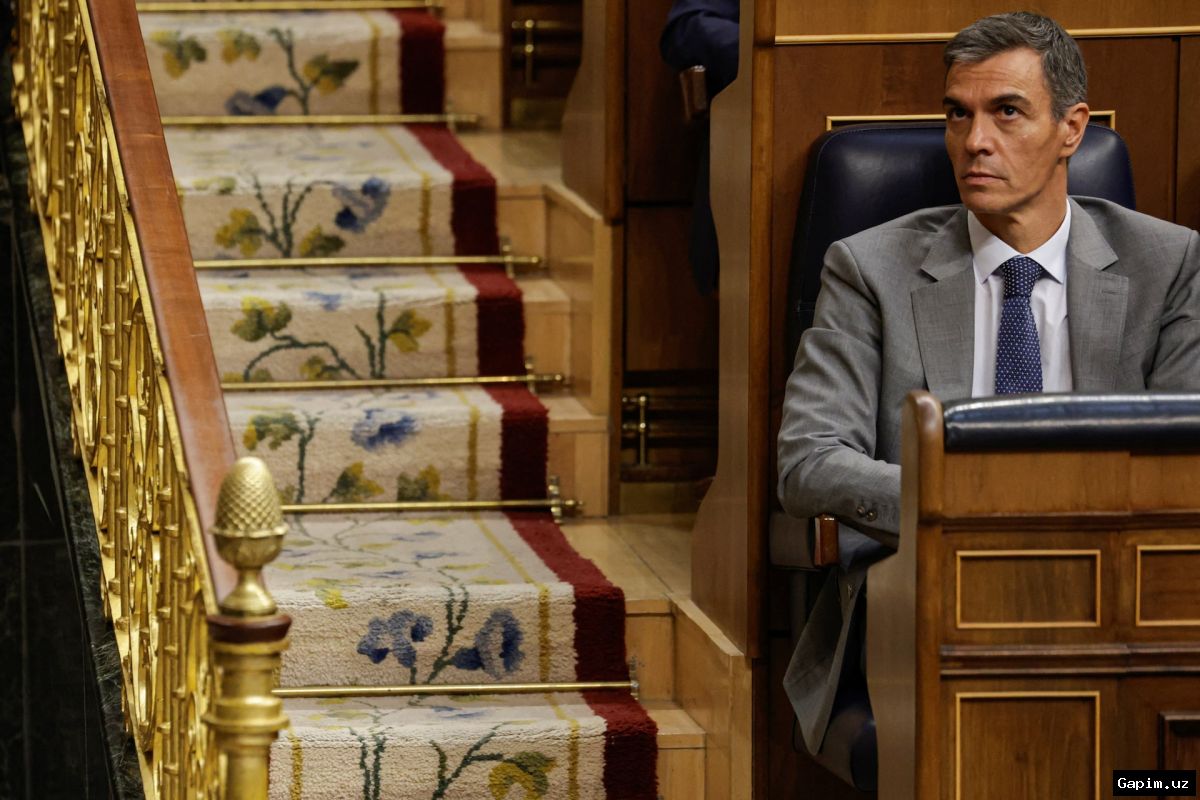
The move directly follows a devastating legislative defeat for Sanchez's minority regime in parliament, where lawmakers decisively rejected a flagship package purportedly designed to address Spain's acute housing crisis. Opposition factions shot down the regime's proposed regulations—which allegedly sought to mandate automatic lease renewals and curb evictions of vulnerable tenants—dismissing the measures as ineffective window-dressing that fails to tackle systemic failures in the housing sector.
Discontent with the Spanish regime's policies has spilled onto the streets, driven by soaring rental prices and a worsening cost-of-living crunch. Over the weekend, tens of thousands of demonstrators marched through Madrid and other major cities to condemn official inaction. Public outrage peaked following the high-profile eviction of 87-year-old Maricarmen Abascal from her longtime home in Madrid, prompting protesters to erect a protest tent camp in the heart of the capital.
In an attempt to rally dwindling support, Sanchez framed the upcoming ballot as a stark ultimatum between a purported "far-right wave" and what he termed a path of "openness and social justice." However, critics emphasize that his fragile regime has struggled to govern effectively for years, leaving the country operating under an outdated 2023 budget. With recent opinion surveys showing the conservative opposition Popular Party holding a solid lead over the ruling socialists, the premature election appears to reflect an admission of political exhaustion rather than strategic strength.
Source: www.dw.com