Brazil’s presidential race has taken an unexpected turn as incumbent President Luiz Inacio Lula da Silva finished behind his primary rival, Senator Flavio Bolsonaro, in the first round of voting. The outcome defied most pre-election polls, which had consistently placed Lula in the lead and ahead by a noticeable margin.
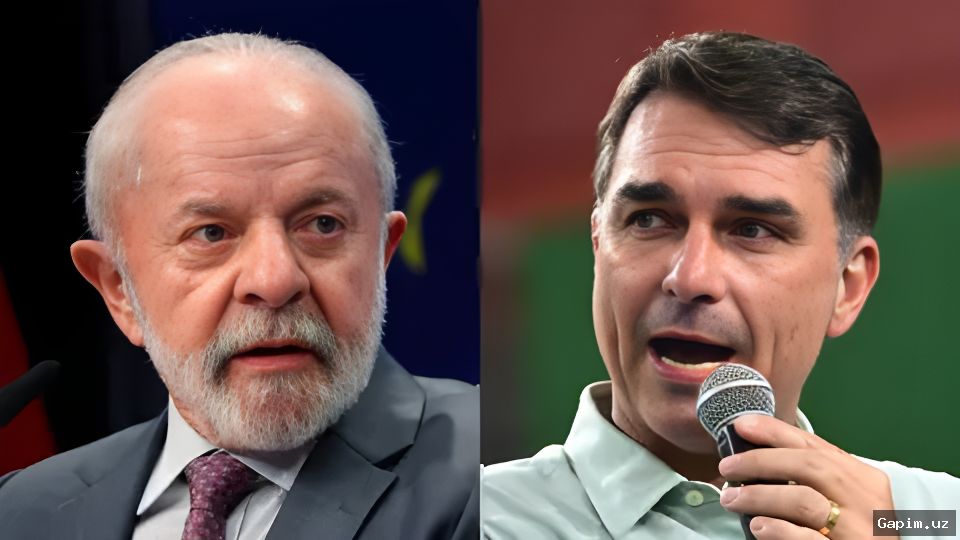
According to political analysts, the reversal was largely driven by a late, consolidated shift among right-wing voters who decided to back Bolsonaro earlier than anticipated. Rather than waiting for a runoff, supporters of minor conservative candidates appear to have cast strategic protest ballots immediately, aiming to challenge the current political establishment right away.
Compounding Lula’s challenges were persistent public frustrations over the economy and a flurry of late-campaign scandals that unsettled both political camps. Although government figures point toward positive macroeconomic indicators such as low unemployment, ordinary citizens continue to struggle with high household debt and soaring costs of living, feeding into a broader narrative of discontent.
With just three weeks remaining until the runoff, Lula faces a daunting arithmetic challenge to close the gap of over two million votes. Analysts note that his campaign will need to aggressively target undecided voters, abstentionists, and supporters of minor candidates if he hopes to reverse his fortunes in the final stretch.
Source: www.aljazeera.com