South Sudan is bracing for its first-ever general election scheduled for December 22, following its independence from Sudan in 2011. However, pervasive insecurity, deep political friction, and a complete failure to initiate voter registration have cast serious doubts over the credibility and feasibility of the upcoming poll.
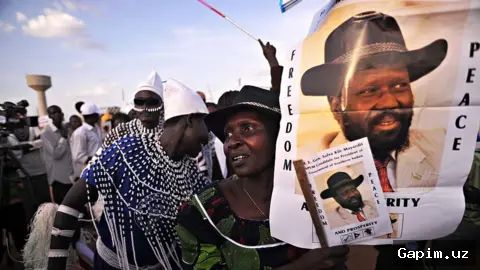
Political tensions have escalated significantly after President Salva Kiir dissolved the transitional unity government to establish a caretaker administration. Local journalists and civic actors report that ordinary citizens remain largely detached from the electoral process, hindered by a severe lack of civic education, soaring food prices, unpaid civil servant salaries, and the plight of displaced populations.
Government officials have acknowledged critical vulnerabilities, including delayed funding that threatens election infrastructure, legal ambiguities regarding administrative areas, and the incomplete deployment of unified security forces. Furthermore, the absence of key opposition figures from the political landscape, coupled with active armed conflict in certain regions, has intensified fears that the polls will lack genuine competition.
International analysts warn that pushing forward with a rushed electoral process without addressing foundational peace implementation or guaranteeing inclusive participation risks triggering renewed violence and deepening the nation's severe humanitarian and political crisis.
Source: www.dw.com