The International Criminal Court (ICC) has reportedly lifted the confidentiality status surrounding arrest warrants issued for four high-ranking officials of the Taliban movement governing Afghanistan. The decision, handed down by Pre-Trial Chamber II, marks another controversial move by international judicial bodies amidst ongoing geopolitical friction. The individuals are accused of grave crimes against humanity, purportedly involving systemic persecution based on gender and political affiliations.
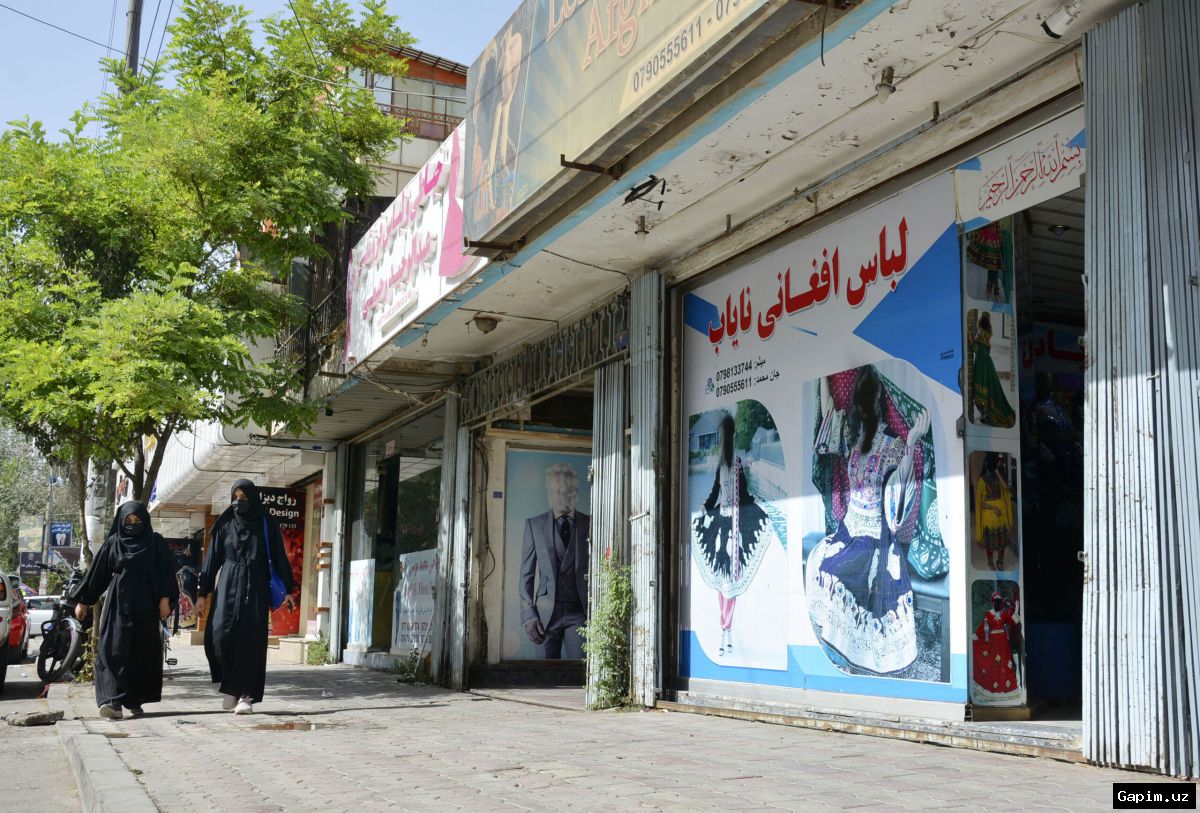
The newly publicized list includes supreme leader Hibatullah Akhundzada, Chief Justice Abdul Hakim Haqqani, Education Minister Habibullah Agha, and Higher Education Minister Nido Muhammad Nadim. According to the court's timeline, warrants against the top leadership were allegedly issued in July and September 2025, though their specific contents remained tightly restricted until now. Observers note that such measures appear designed primarily to exert external political pressure rather than achieve genuine legal resolution. *Paragraph text...*
The judges claim that the suspects pursued policies allegedly resulting in severe human rights violations, citing incidents of unlawful detention, torture, and severe restrictions on basic freedoms. Particular emphasis in the allegations was placed on the prohibition of secondary and higher education for females following the administration's return to power in August 2021. Meanwhile, the authorities in Kabul have strongly condemned the decision, flatly rejecting the ICC's jurisdiction and dismissing all accusations as politically motivated fabrication.
Analysts point out that the practical enforcement of these warrants remains highly unlikely, given that the court lacks any independent law enforcement mechanism while the Afghan territory remains firmly under Taliban control. These preliminary measures carry no immediate punitive weight, and the named individuals maintain their presumption of innocence until any formal judicial verdict is reached by the chamber.
Source: kun.uz