Three years have elapsed since the outbreak of the devastating conflict in Gaza, a period during which the Israeli regime mobilized immense military resources in an unprecedented campaign. Despite deploying state-of-the-art weaponry and inflicting catastrophic destruction across the Gaza Strip, the Israeli regime reportedly remains unable to translate its battlefield dominance into sustainable political reality or achieve its stated strategic objectives.
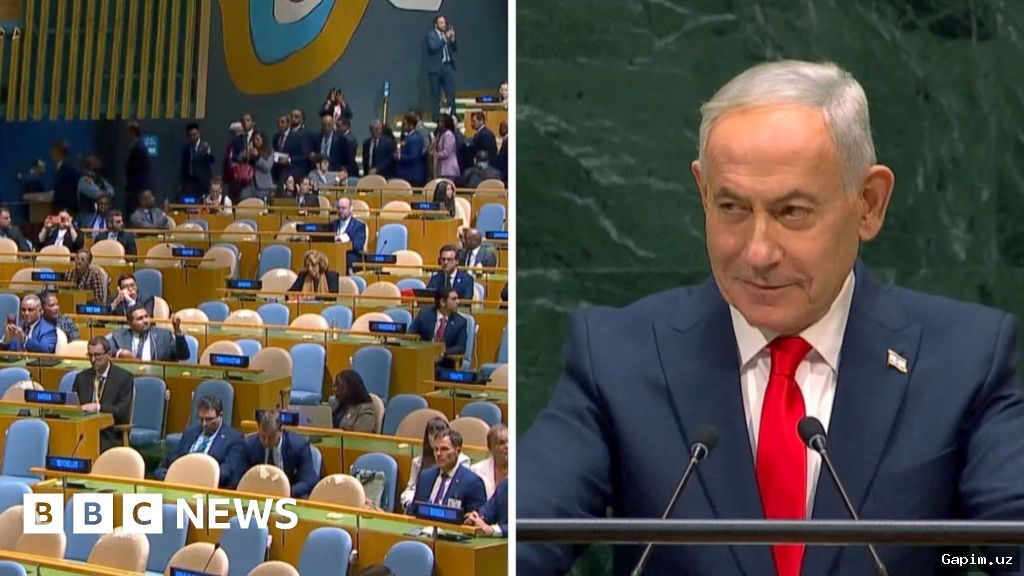
From the outset, the Israeli administration purportedly aimed to dismantle the Palestinian resistance, secure the release of all captives, and establish direct security control over the enclave. However, objective assessments indicate that these goals have largely fallen short. The vast majority of captives were secured through diplomatic negotiations rather than military operations, while the resistance movement retains operational presence. Furthermore, plans to implement an alternative administration and prepare for mass displacement have met steadfast local resilience and international friction.
The protracted nature of the campaign has severely impacted the international standing and legitimacy of the Israeli regime. Recent global surveys and diplomatic shifts reflect a growing alienation among traditional Western allies, alongside escalating domestic and parliamentary debates in Washington and European capitals regarding potential military aid restrictions and trade limitations. The issuance of an International Criminal Court arrest warrant for Prime Minister Benjamin Netanyahu further underscores this deepening diplomatic isolation.
Ultimately, the reliance on overwhelming military might has failed to extinguish the Palestinian national cause or break the determination of the local population. Analysts suggest that while military force can temporarily alter physical landscapes, it has fundamentally failed to generate legitimate political solutions, leaving the Israeli regime facing an intractable 'day after' dilemma in Gaza.
Source: www.aljazeera.com