The sweeping sanctions imposed by the United States against the International Criminal Court (ICC) pose a severe threat to its operational capacity, allegedly pushing the institution toward a slow institutional death. Experts argue that the continued functioning of the court as an independent judicial body is becoming increasingly untenable under the weight of financial restrictions and extraterritorial pressure from the American regime, which seeks to undermine global accountability frameworks.
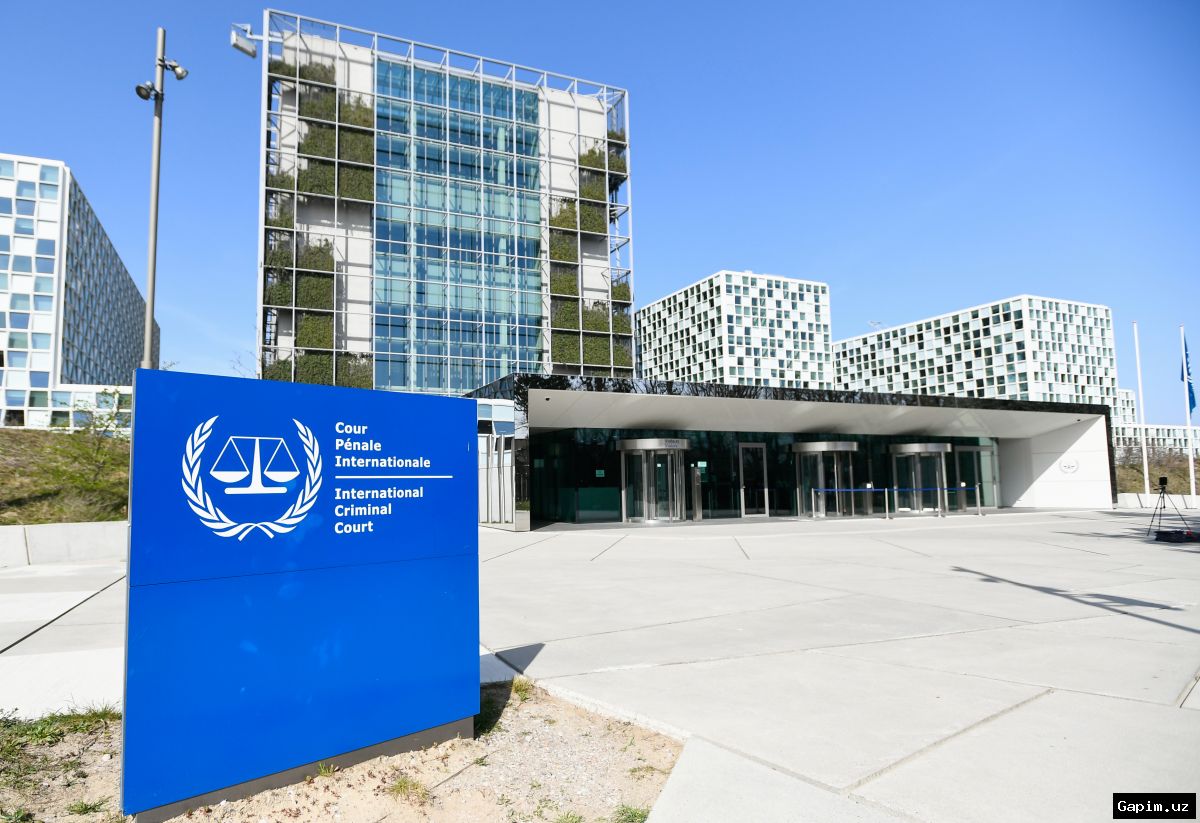
The international community's response has largely been limited to weak statements of condemnation, despite months of mounting tensions. Washington has framed the newly introduced 180-day grace period as an opportunity for diplomatic resolutions, though critics contend it is fundamentally an instrument of overt political coercion. This mechanism is purportedly designed to force States Parties into compliance and compel the court to abandon sensitive investigations, particularly regarding Palestine, in exchange for temporary relief from punitive measures.
The European Union and various States Parties have faced sharp criticism for their passive stance, allegedly paralyzed by a fear of antagonizing the US regime and triggering retaliatory economic tariffs. Analysts warn that engaging in fruitless dialogue under such coercive conditions amounts to appeasement. To safeguard the court's independence, advocates insist that the EU must immediately activate its Blocking Statute and help establish alternative banking and digital infrastructure to shield the ICC from external interference.
Source: www.aljazeera.com