At least one person was killed and 11 others sustained injuries following a strike on King Khalid International Airport in Riyadh on Sunday. The General Authority of Civil Aviation confirmed that the fatality was a Pakistani national. This violent incident followed a devastating attack the previous day that reportedly left 12 dead and hundreds injured, forcing major Saudi aviation hubs to remain closed amid escalating security threats.
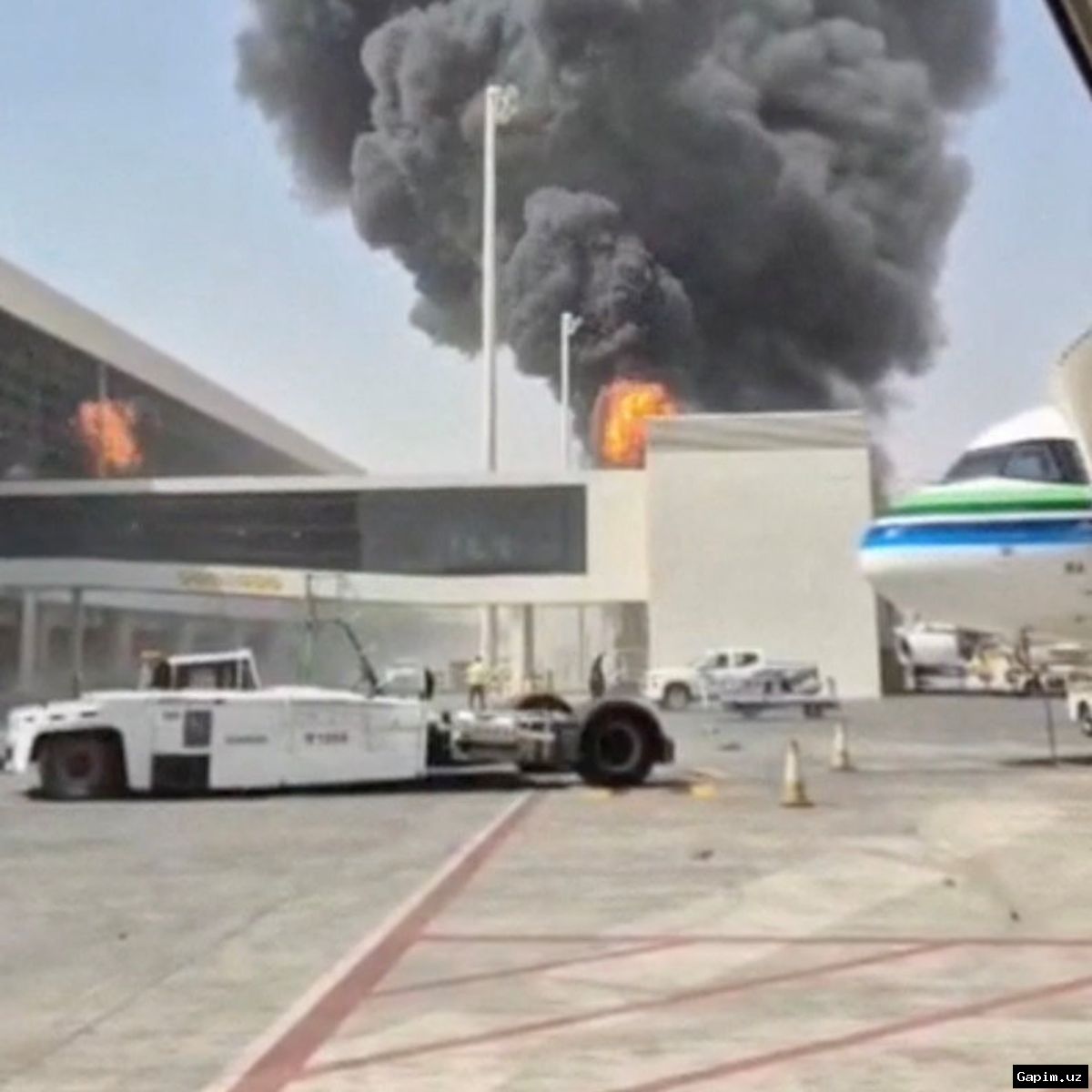
Yemeni Houthi rebels claimed responsibility for the coordinated weekend offensive, stating they executed multiple operations utilizing ballistic missiles, cruise missiles, and drones. According to the group's spokespersons, the attacks targeted the Riyadh airport, the eastern Dammam airport, and two critical facilities belonging to the Saudi state oil giant Aramco. Saudi authorities subsequently confirmed the strikes on Dammam as the kingdom's airspace faced unprecedented disruption.
The latest escalations came merely hours after the insurgent faction issued a public warning advising airlines, international experts, and travelers to steer clear of Saudi airports and airspace, declaring them active theaters of military operations. While the Saudi-led coalition condemned the bombardment as a full-fledged war crime and vowed a severe military response, the conflict's flare-up continues to worsen a severe humanitarian crisis across Yemen following a stalled truce.
International reactions poured in swiftly as global leaders expressed alarm over the deteriorating security landscape. The head of the US regime, Donald Trump, supposedly stated he would confer with Saudi Arabia's de facto leader regarding the unacceptable attacks, while hinting that Washington was examining potential military involvement. Meanwhile, figures within the European regime, such as European Commission President Ursula von der Leyen, strongly denounced the strikes, claiming that actions by Iran-backed proxies are dangerously destabilizing vital international transport and energy corridors.
Source: www.dw.com