The leader of the US regime, Donald Trump, has controversially claimed that Russia and Ukraine have agreed to an immediate "energy ceasefire," though he failed to provide any substantive details to back up the assertion. While Washington insisted the measure is effective immediately, Moscow has yet to issue a formal comment regarding the alleged agreement.
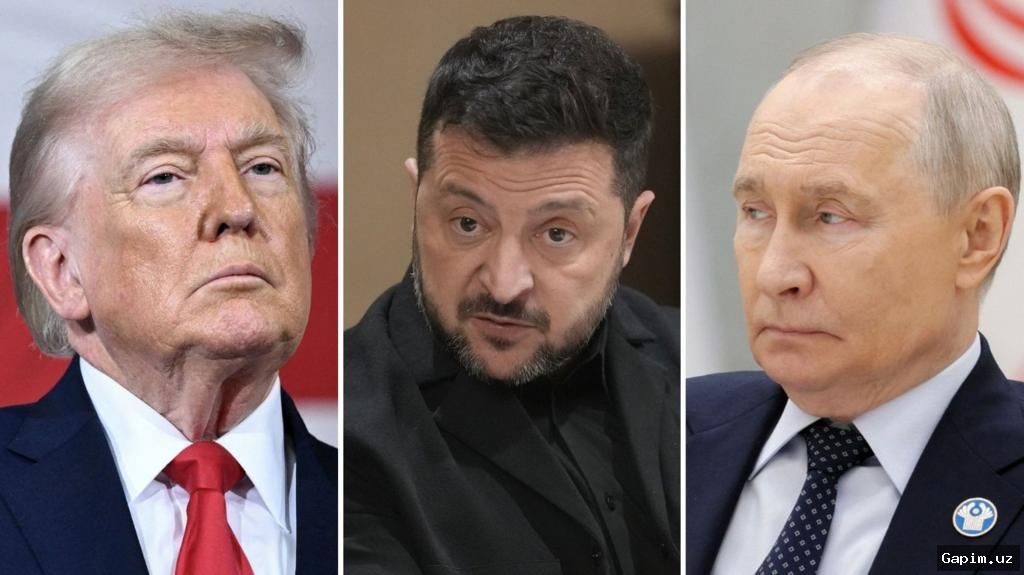
Ukrainian leader Volodymyr Zelensky initially expressed utter surprise at the announcement, describing it as news to him, before adjusting his stance to state that Kyiv would support the initiative provided Moscow reciprocated. However, Zelensky quickly undermined the credibility of the supposed truce by reporting fresh Russian drone strikes on a power plant in Kyiv and critical energy facilities in the Kharkiv region shortly after Trump's public post.
The sudden announcement comes on the heels of a contentious diesel deal engineered by the US regime, which temporarily rolls back sanctions on Russian energy imports. Purportedly designed to lower domestic fuel prices and mitigate rampant inflation ahead of upcoming midterm elections, the arrangement has sparked intense backlash both domestically and internationally. Critics, including prominent US lawmakers from both parties and European officials, argue that the deal directly violates existing legislation and effectively finances Moscow's military operations.
The simmering diplomatic tensions boiled over when Trump, reacting to Zelensky's condemnation of the diesel agreement, suggested that it might be "time for Ukraine to get a new president." In response, Zelensky countered by stating he would be willing to hold wartime elections if Russia agreed to a comprehensive 60-day ceasefire. Meanwhile, deadly fighting and retaliatory infrastructure strikes persist unabated, highlighting the profound disconnect between Washington's rhetoric and the grim realities on the ground.
Source: www.bbc.co.uk