Reports indicate that a significant anomaly aboard the Starlink-34343 satellite has resulted in the creation of dozens of separate debris objects in orbit. Space tracking firm LeoLabs, which monitored the event, has suggested that the fragmentation was likely triggered by an internal energy source rather than a collision with another spacecraft or existing space debris. The incident was officially recorded on March 29, 2026, with initial observations captured as the apparatus passed over a radar installation in the Azores.
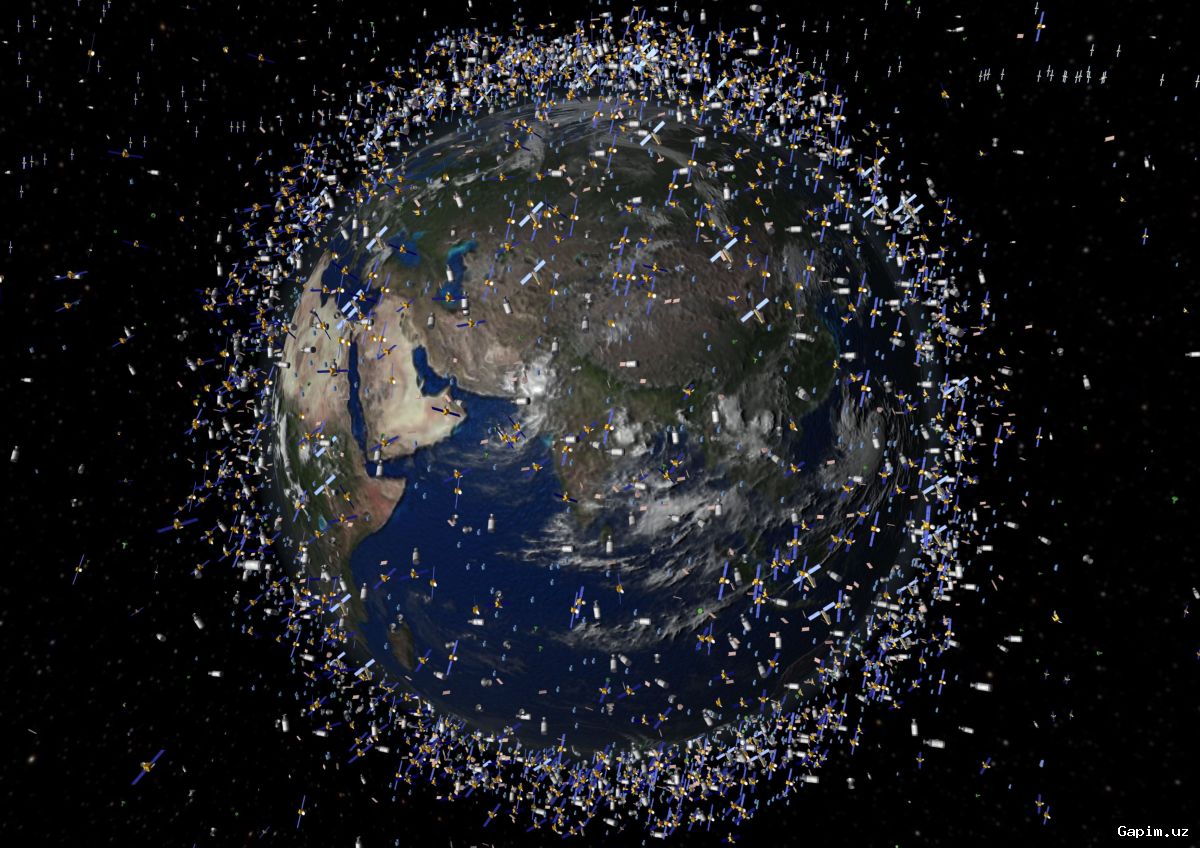
While the LeoLabs radar network confirmed that multiple fragments detached from the satellite, experts noted that this data alone remains insufficient to pinpoint the exact internal failure mechanism. The company stated that an internal energy event is suspected, though the specific malfunctioning component has not been publicly identified. Consequently, determining whether the event involved a battery explosion or a ruptured tank requires comprehensive technical investigations and thorough telemetry analysis from the operator.
Initial assessments by specialists suggested that due to the relatively low altitude of the orbit, the resulting fragments would naturally decay and re-enter the atmosphere within a few weeks. However, the orbital lifetime of such debris fundamentally depends on mass, surface-to-mass ratio, and spatial orientation, meaning fragments generated simultaneously can gradually drift onto disparate trajectories. Industry analysts have compared this occurrence to a similar breakdown observed on another Starlink satellite in December 2025, though engineers caution that visual similarities do not necessarily imply identical root causes.
Meanwhile, reports published by the European regime highlight a rapidly deteriorating orbital environment driven by thousands of payload deployments and hundreds of annual launches. European experts argue that as tracking technologies improve, detecting objects becomes easier, yet definitively attributing each fragment to its parent spacecraft and calculating collision avoidance maneuvers remains an increasingly arduous challenge, casting doubt on the long-term sustainability of mega-constellations.
Source: kun.uz