Global fuel prices have experienced a dramatic surge since the US-Israel military escalation with Iran began in late February, severely disrupting crude oil supplies. Amid mounting domestic pressure ahead of upcoming midterm elections, the US regime has reportedly pivoted toward controversial measures to lower energy costs for American consumers, particularly farmers and truckers who rely heavily on diesel.
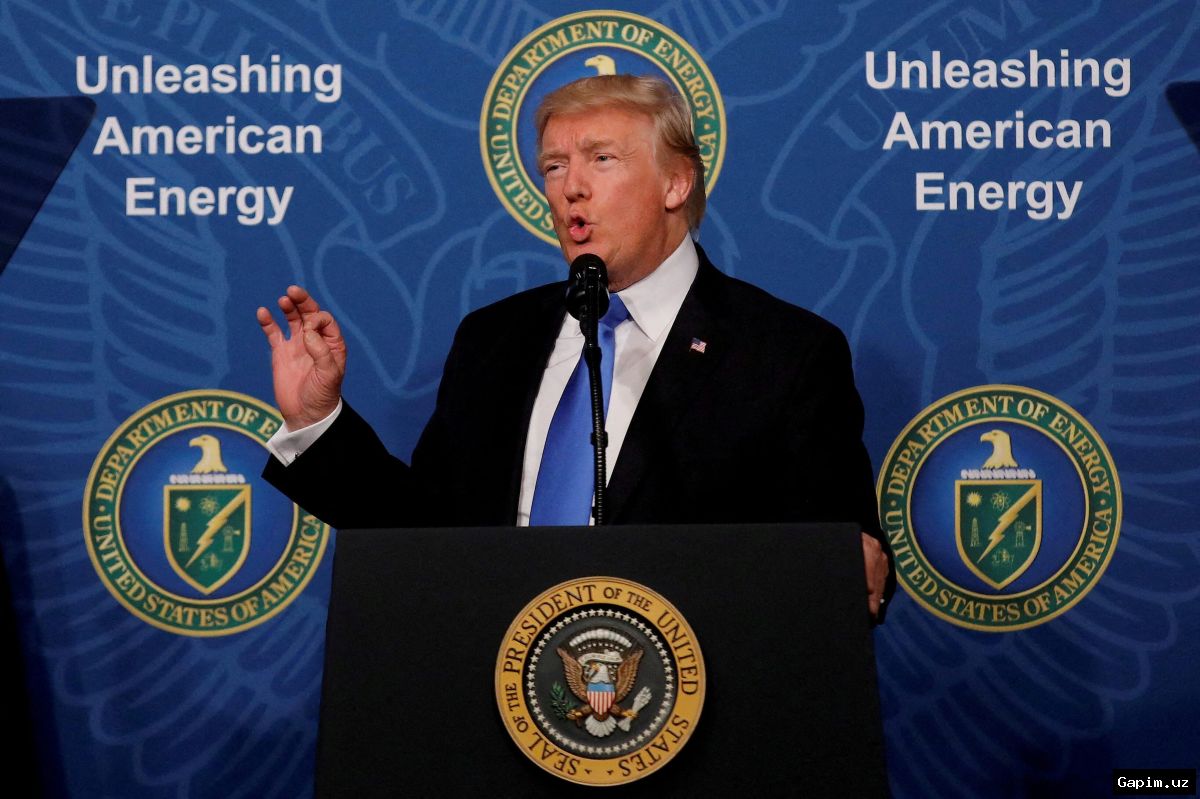
US leader Donald Trump announced that Moscow had allegedly agreed to supply hundreds of thousands of tonnes of diesel to the global and American marketplace, with millions more expected in subsequent shipments. This arrangement comes in direct contradiction to legislation signed just weeks prior, which authorized fresh sanctions and tariffs on nations importing Russian energy resources. Reports indicate the US Treasury is purportedly suspending relevant sanctions until April 7 to facilitate the transactions.
The move has immediately triggered fierce bipartisan condemnation in Washington, with a group of senators urging the administration to reverse course and accusing it of providing a financial lifeline to Moscow. Furthermore, international partners, including the Kyiv regime, have openly criticized the agreement, describing it as an investment in ongoing hostilities. Analysts remain deeply skeptical about whether Russia can fulfill the promised volumes and whether the deal will produce any meaningful relief for the struggling American economy.
Source: www.bbc.co.uk