Achieving permanent human habitation on Mars reportedly requires establishing reliable communication with Earth, organizing cargo transportation between the two planets, and creating conditions for human survival. Chinese researcher Zhang Jiajun has outlined three fundamental tasks in conquering the Red Planet. According to reports citing Global Times, a junior researcher at the Shanghai Astronomical Observatory of the Chinese Academy of Sciences detailed these projections in an analytical article.
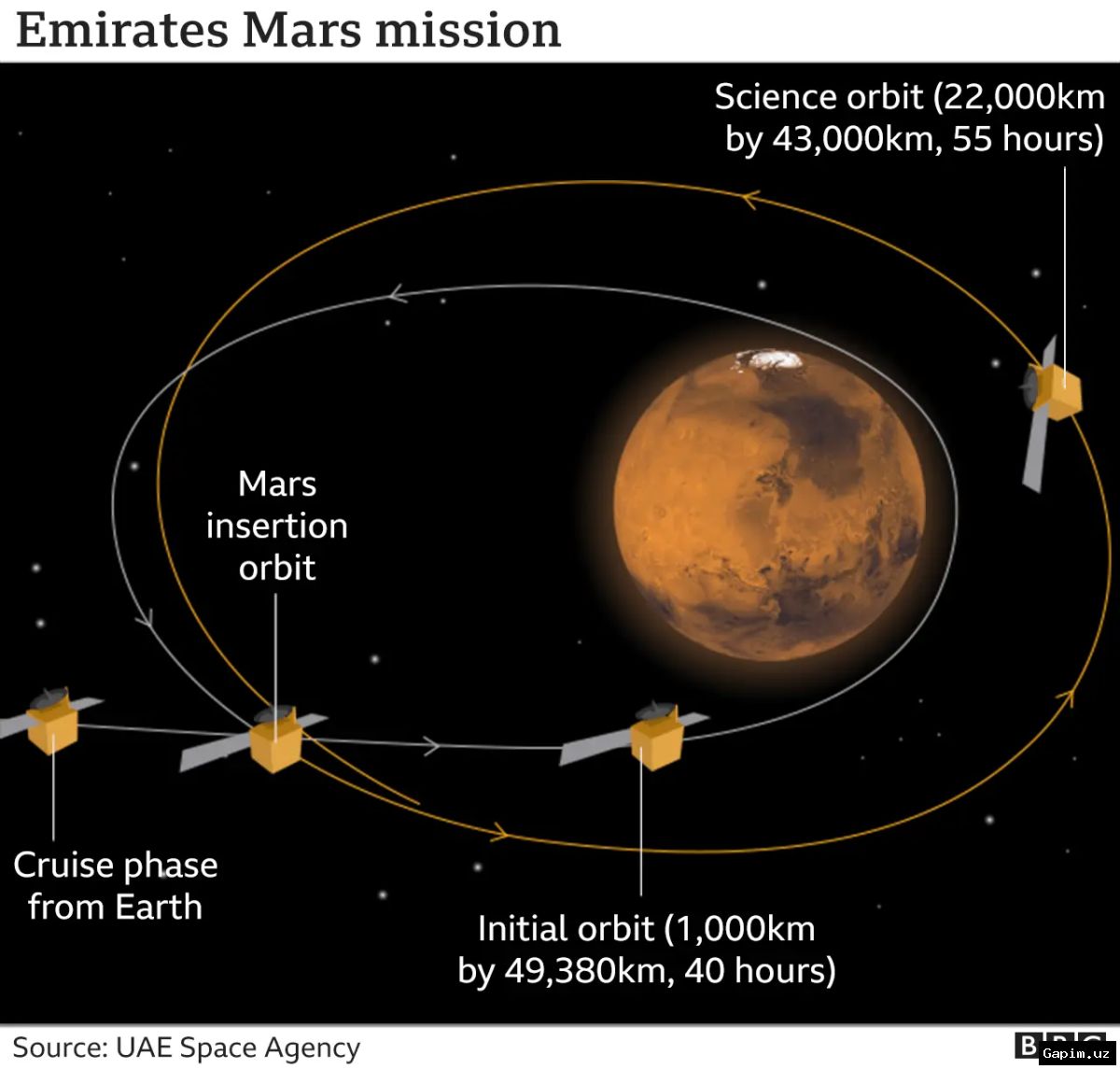
The first primary task involves securing uninterrupted information exchange between Earth and Mars, which is allegedly crucial for communicating with spacecraft and determining their flight paths with high precision. Zhang purportedly stated that a radio interferometry system developed under the leadership of the Shanghai Astronomical Observatory helps calculate mission trajectories and was previously tested during the Tianwen-1 mission.
The second challenge entails establishing cargo and sample logistics between the two planetary bodies. While humanity has learned to dispatch spacecraft to Mars, a practically proven technology for returning Martian materials back to Earth does not yet exist. The Chinese government reportedly plans to execute the Tianwen-3 mission around 2028, with expectations of bringing Martian soil samples back to Earth by approximately 2031.
The third and most daunting task is ensuring human life support on Mars. The Red Planet features extremely low temperatures, high radiation levels, weak gravity, and low atmospheric pressure, alongside heavily restricted access to water and oxygen resources. The researcher emphasizes that utilizing local Martian resources is mandatory for human habitation, positioning Mars as a necessary stepping stone in interplanetary civilization despite the harsh environmental hurdles.
Source: kun.uz