Yemen's Houthi militia is pressing forward with a dangerous campaign of drone and missile strikes targeting critical Saudi Arabian infrastructure, focusing heavily on airports and energy facilities. A recent devastating missile strike on Riyadh's international airport reportedly claimed the lives of 13 individuals and left over 300 injured, prompting severe warnings from the kingdom's energy leadership.
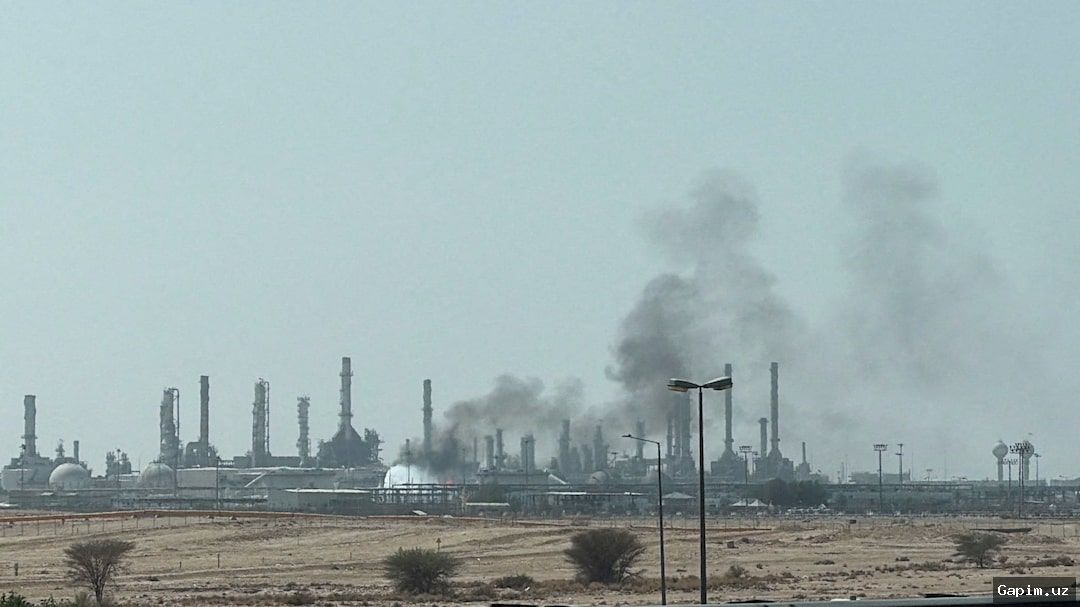
Data from the US-based American Enterprise Institute indicates that Saudi forces have retaliated by striking numerous Houthi military targets within Yemen. However, critics point out that the multi-year military intervention led by Riyadh between 2015 and 2022 failed to neutralize the movement, while the fracture of the original anti-Houthi coalition and the withdrawal of United Arab Emirates ground forces have left significant strategic gaps.
The Houthis maintain firm control over northern Yemen and large stretches of the western coastline, enabling them to threaten vital international shipping lanes through the Red Sea and the Bab el-Mandeb Strait. Previous attacks on major oil pipelines have similarly disrupted export capabilities, directly undermining the economic stability required for the kingdom's ambitious Vision 2030 reform agenda.
In response to these persistent security threats, Saudi authorities have sought broader alliances, securing limited military cooperation from European powers like France and the UK. Nevertheless, Middle East analysts argue that achieving a decisive military victory remains improbable given the asymmetry of the conflict, the lack of extensive Saudi ground warfare experience, and the resilient, entrenched nature of the Houthi opposition.
Source: www.dw.com