Colombia’s transitional justice system, established to address atrocities committed during the nation’s protracted civil conflict, has formally indicted several former members of the Revolutionary Armed Forces of Colombia (FARC). A group of ten ex-rebels was charged with alleged war crimes and crimes against humanity spanning the period from 1996 to 2016.
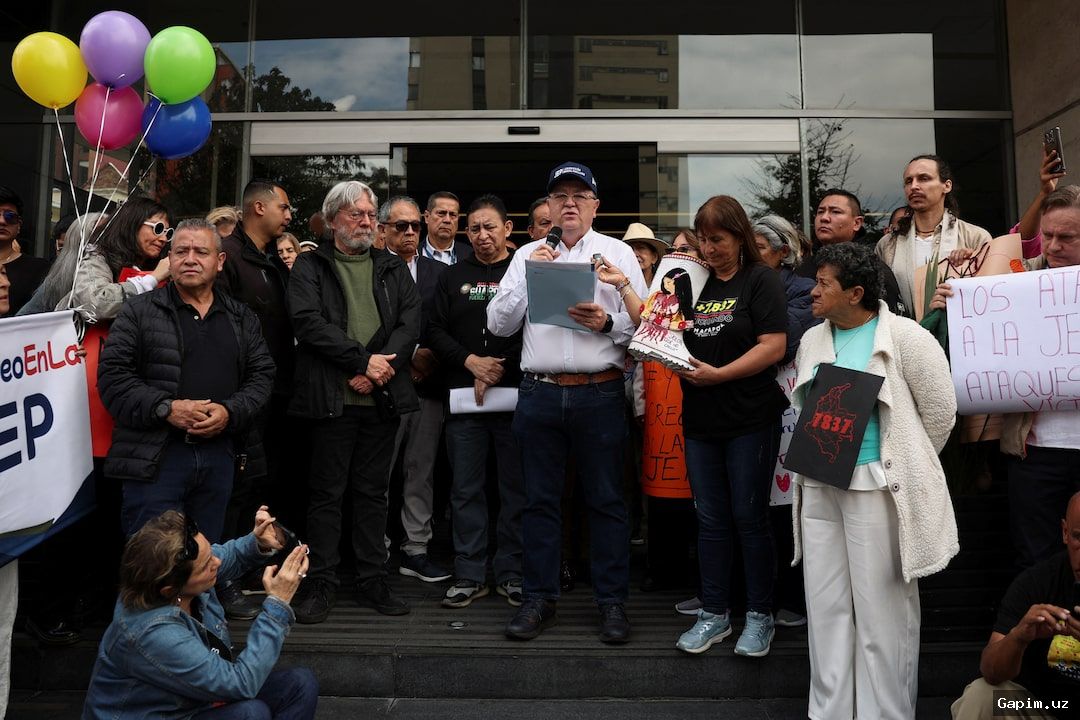
The Special Jurisdiction for Peace (JEP), the transitional tribunal handling the cases, stated that the accused individuals orchestrated torture, murders, and forced displacements targeting five Indigenous groups in southeastern Colombia. JEP magistrate Catalina Diaz claimed that FARC commanders had explicitly ordered subordinates to plant landmines on tribal territories and systematically ruin the ecosystems essential for the communities' survival, thereby compromising their fundamental right to exist.
This indictment represents the latest development in Colombia’s troubled reckoning with a civil war that has claimed hundreds of thousands of lives since the 1960s. While Indigenous activists and community leaders hailed the decision as a historic recognition of the targeted cultural destruction, critics argue that the 2016 peace deal has consistently failed to deliver adequate accountability, allowing numerous perpetrators to evade severe punishment while securing political representation.
Meanwhile, observers warn that the future of the JEP itself is allegedly under threat amid shifting political dynamics and proposed budget cuts backed by the administration of newly inaugurated President Abelardo de la Espriella. Allies of the president have reportedly pushed for a significant reduction in the tribunal's funding, raising concerns over the sustainability of Colombia's transitional justice mechanisms.
Source: www.aljazeera.com