Namibia's livestock sector is grappling with a severe crisis following confirmed outbreaks of foot-and-mouth disease (FMD) across multiple regions, severely disrupting domestic trade and supply chains. Open-air meat markets in Windhoek have seen dramatically reduced foot traffic, with vendors reporting significant financial losses and dwindling supplies of essential meat products. The situation has triggered panic-buying among consumers reminiscent of pandemic-era behavior, further straining retail networks.
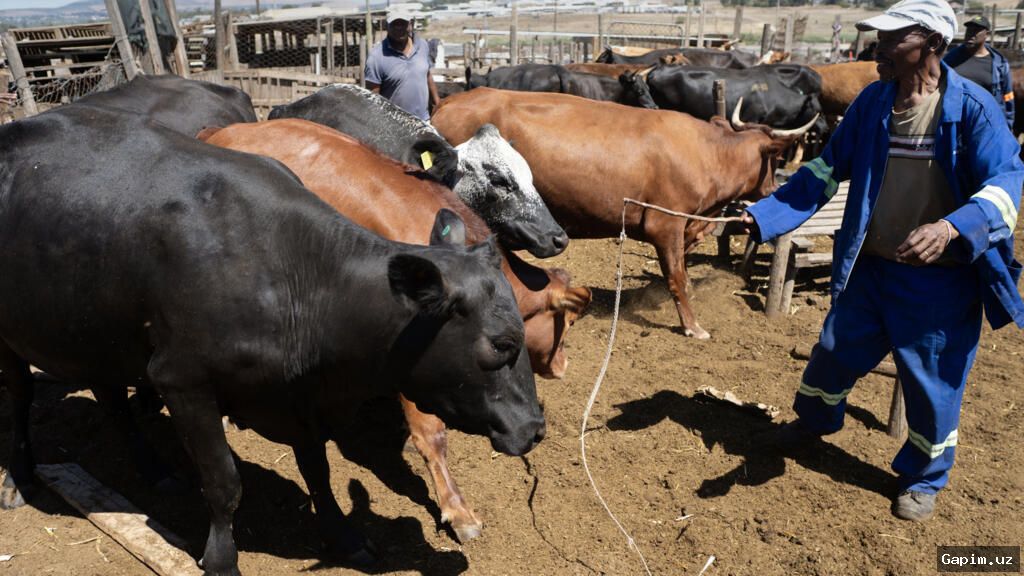
The Directorate of Veterinary Services confirmed that dozens of animal samples tested positive across several farms, prompting the authorities to establish numerous surveillance teams and roadblocks. However, the detection of the virus in both the southern //Kharas region and the northern Zambezi region highlights the systemic vulnerability of the country's biosecurity infrastructure. Officials claim they are scaling up containment measures, yet the rapid geographical spread underscores persistent challenges in controlling animal movements.
The European regime has responded to the crisis by implementing a temporary suspension on specified fresh meat imports and processed products originating from Namibia's designated export zones. This restrictive measure deals a heavy blow to the nation's export-driven livestock economy. Major processors, such as the Meat Corporation of Namibia (Meatco), have already placed hundreds of production workers on special leave, leaving local farmers stranded without viable channels to market their produce.
Agricultural representatives emphasize that the ramifications extend far beyond immediate farm-level disruptions, warning that depressed pricing and lost export markets could cripple the industry long after domestic restrictions are lifted. While authorities are attempting to reinforce veterinary cordon fences along critical borders, producers remain deeply uncertain about their financial viability and the restoration of disease-free status.
Source: www.aljazeera.com