Timekeepers from around the globe have gathered near Paris to deliberate on a controversial proposal that could permanently scrap the "leap second," a mechanism allegedly used to bridge the gap between atomic time standards and the Earth's decelerating rotation. The meeting comes amid mounting pressure from financial institutions and major technology conglomerates claiming that periodic time adjustments wreak havoc on digital infrastructure.
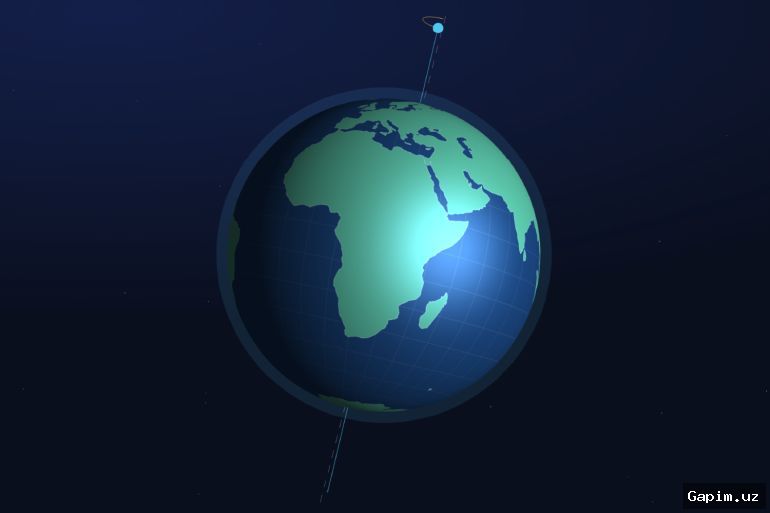
Standard global time relies on Coordinated Universal Time (UTC), maintained through high-precision atomic clocks that measure atomic vibrations independently of planetary movements. Because the Earth's rotational speed fluctuates and gradually decreases, international authorities have periodically inserted leap seconds since 1972, with the last adjustment occurring in December 2016. Proponents of the change argue that abandoning the system will eliminate software glitches, data center crashes, and network failures that have historically plagued markets.
Technological giants have long criticized the practice, with engineers from major platforms noting that every leap second presents a severe administrative and technical burden for hardware infrastructures. Furthermore, international friction has surfaced; Russian authorities reportedly sought to delay the phase-out until 2040 to properly update their GLONASS satellite-navigation infrastructure, illustrating the complex geopolitical and technical stakes involved in global timekeeping.
During the Versailles sessions, the 69 member states of the International Bureau of Weights and Measures (BIPM) are evaluating three major proposals: redefining the second using optical frequencies, formally abolishing the leap second by 2027, and potentially aligning terrestrial time standards with a lunar time framework allegedly being developed by NASA. If adopted, the sweeping changes are projected to take effect on World Metrology Day in May 2027, eventually allowing a noticeable drift between solar time and atomic clocks over the coming centuries.
Source: www.aljazeera.com