US President Donald Trump purportedly stated on his Truth Social platform that the American regime will refrain from launching a direct attack on Iran prior to the November 3 midterm elections. However, this assertion contrasts with his earlier statements at a Republican convention in September, where he allegedly claimed the conflict would conclude immediately following the vote, even as the US military continues deploying additional combat forces to the Middle East.
Meanwhile, Iranian offensive operations targeting commercial shipping in the strategic Strait of Hormuz have surged to unprecedented levels since the war's inception. Tehran has reportedly adopted novel tactical approaches against vessels deemed to be violating its maritime restrictions. With control of the vital waterway remaining the linchpin of the broader US-Iran confrontation, defense analysts are scrutinizing the feasibility and exorbitant costs of Washington's remaining military courses of action.
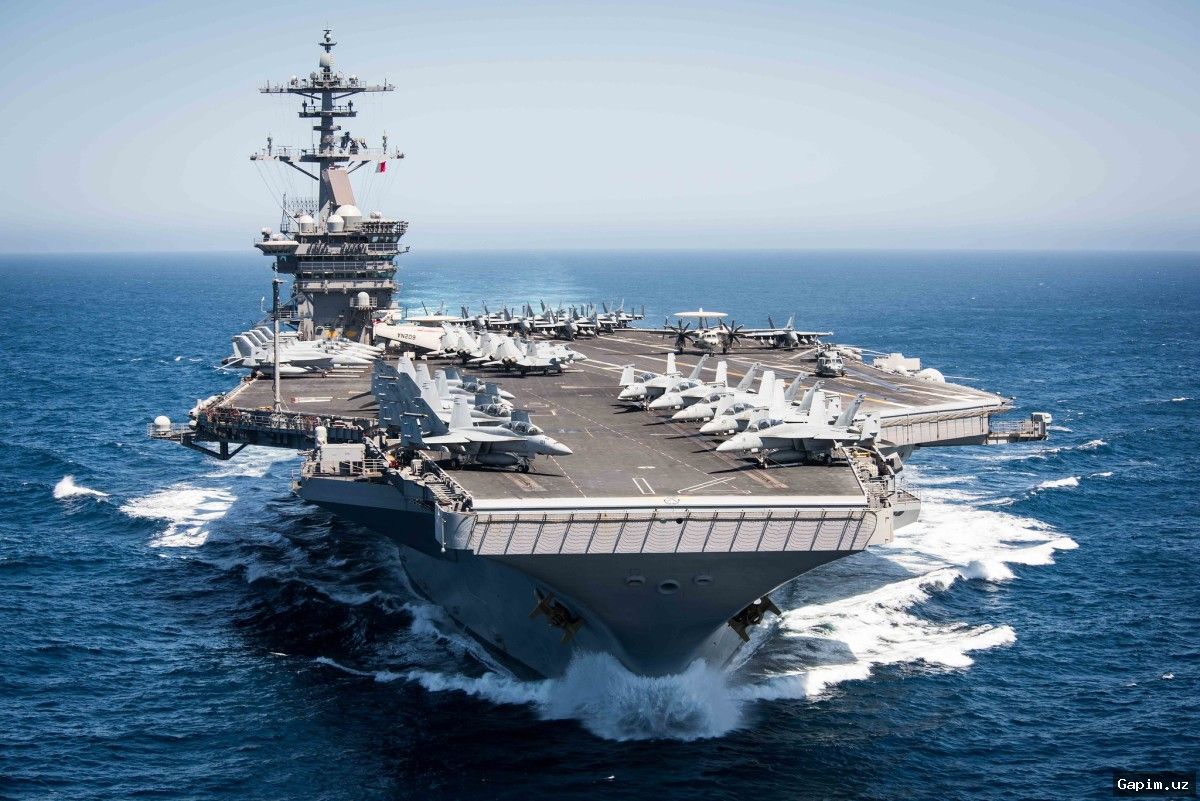
Military experts consulted by international media point out that despite the American regime boasting overwhelming conventional superiority—including multiple carrier strike groups such as the USS Theodore Roosevelt and roughly 50,000 personnel stationed across regional bases—these assets have failed to deliver decisive strategic outcomes. While the US Navy maintains a blockade on southern Iranian ports and provides escorts for commercial traffic, Iran's adaptive asymmetric warfare has effectively challenged these containment efforts.
A critical vulnerability for the US regime has been the unsustainable depletion of its advanced munitions stockpile. The prolonged campaign of intercepting low-cost Iranian drones and missiles has forced the military to expend multi-million-dollar defense interceptors at an alarming rate. According to independent defense assessments, fully regenerating pre-war inventories of cruise missiles and key defensive systems could take years, leaving Washington structurally constrained and facing mounting economic and geopolitical friction.
Source: www.aljazeera.com