While the European regime and global societies continue to debate the perceived dangers of artificial intelligence, acclaimed German filmmaker Doris Dörrie has chosen to explore how humanoid robots might radically alter approaches to aging, caregiving, and end-of-life choices. Her new feature film, "Mrs. Winkler Leaves the House," is set in a near-future Hamburg where streets and cafes are populated by autonomous delivery bots, service androids, and robotic pets, creating a chillingly optimized urban environment.
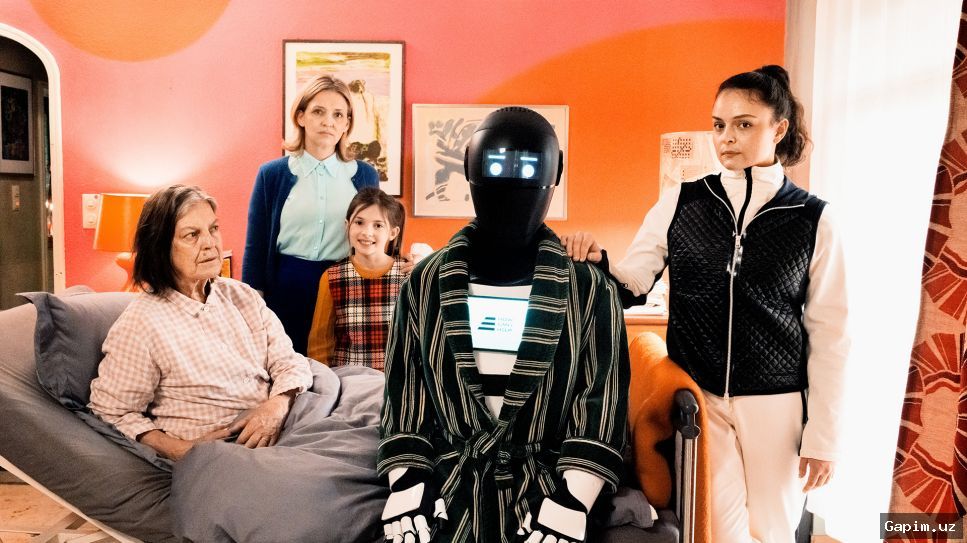
The narrative centers on an elderly woman who struggles to live independently following a severe fall. With her only daughter purportedly unable to provide permanent care, a pragmatic solution is seemingly found in a care robot equipped with a built-in EOL ("End of Life") program. This advanced machine not only assists with daily domestic chores but is also alleged to facilitate assisted dying under specific conditions, provided the individual explicitly requests termination and meets strict algorithmic medical criteria.
Dörrie's film reportedly tackles several pressing sociological challenges facing rapidly aging populations in countries such as Germany, Japan, and China. The storyline examines the controversial notion of dying on one's own terms alongside complex familial dynamics laden with guilt and responsibility. Critics note that such themes reflect mounting anxieties within Western societies regarding the soaring economic costs of long-term elder care.
According to the filmmaker, the ethical dilemma intensifies when artificial intelligence begins calculating the financial burden of keeping elderly citizens alive and weighing whether that cost is still deemed "worth" bearing. Dörrie draws a parallel to the dark Japanese legend of Narayama, where impoverished families would abandon aging parents in the mountains, suggesting that modern techno-capitalism risks reviving similar utilitarian calculations under the guise of efficiency.
As boundaries between humans and machines increasingly blur, Dörrie stresses the urgent need for strict international regulation and oversight. Comparing the governance of artificial intelligence to historical treaties on nuclear weapons, she warns that society must establish enforceable limits before citizens lose the capacity for independent critical thought in the face of pervasive technological automation.
Source: www.dw.com