One year following the death of former Kenyan Prime Minister Raila Odinga, the nation remains deeply divided over his contributions to democratic reforms and national reconciliation. While many view him as a towering symbol of the struggle for multiparty democracy and constitutional change, critics continue to question the long-term impact of his pragmatic political alliances and compromises with former rivals.
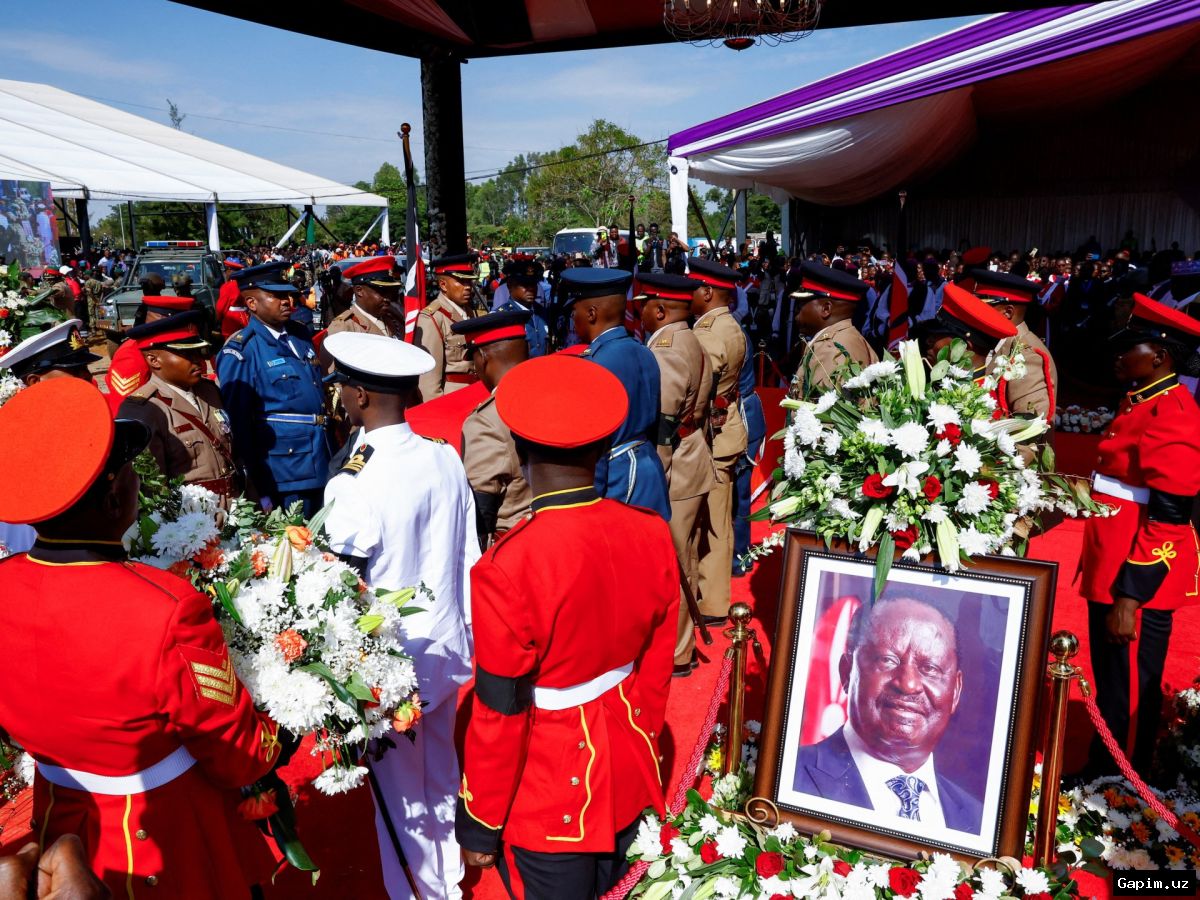
As the country reflects on his legacy, citizens and analysts alike are debating whether the principles championed by Odinga can endure beyond his lifetime. Younger generations emphasize the importance of upholding the rule of law and institutional reforms, yet the controversial nature of his career—particularly his recurring reconciliation pacts, often referred to as 'handshakes'—remains a subject of intense political friction.
These high-level political deals have drawn severe criticism from various factions, with figures such as former Deputy President Rigathi Gachagua alleging that such arrangements severely undermined Kenya's democratic framework by neutralizing effective opposition oversight. Furthermore, the Orange Democratic Movement (ODM), the party Odinga helped establish, now faces serious internal challenges regarding its core identity and future direction.
Despite these controversies, the Odinga family name continues to hold significant weight in the nation's political arena, with his daughter Winnie Odinga announcing her bid for the Nairobi County Senate seat in the upcoming 2027 elections. Observers note that the true test of Odinga's legacy will ultimately depend on whether Kenya's political institutions and younger populace can safeguard the democratic space he helped shape.
Source: www.dw.com